
constructing
Lechatel Bureau Home Construction Innovations: The Materials Shaping Tomorrow’s Buildings

Construction Innovations: The Materials Shaping Tomorrow’s Buildings

constructing

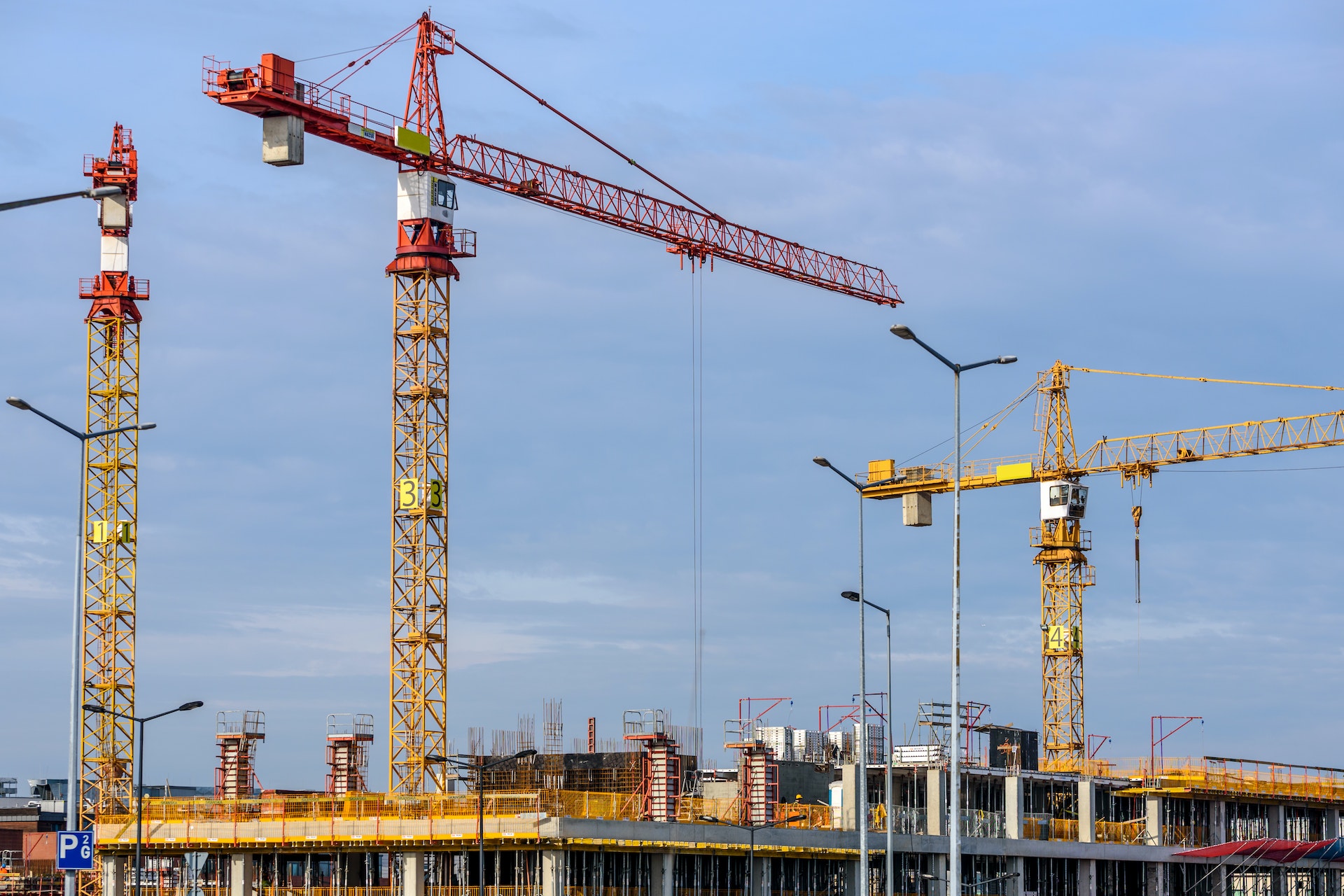
Today, construction materials are not just bricks and mortar, but innovative wonders that shape the buildings of tomorrow. With these materials, half-timbered houses can remain in pristine condition for years ahead, just like mentioned in WZ. From self-healing concrete to 3D-printed building materials, advancements in construction tech are revolutionizing how we design, build, and inhabit our structures. Today, let’s talk about these exciting and groundbreaking materials that are reshaping the future of construction.

Aerogel Insulation

This innovative material is changing the way we think about keeping our homes and offices comfortable. So, what exactly is aerogel? It’s a lightweight substance that is derived from gel but has been stripped of its liquid component. What remains is an incredibly porous structure composed mostly of air. This unique composition gives aerogel its impressive insulation properties.

One of the most remarkable aspects of aerogel insulation is its ability to drastically reduce heat transfer. Its high thermal resistance makes it ideal for keeping buildings warm in winter and conveniently cool in summer. In fact, aerogel can provide up to four times better insulation than traditional materials like fiberglass. Furthermore, aerogels are not only great at insulating against temperature changes but also at blocking sound transmission. Their porous nature helps absorb sound waves, making them perfect for reducing noise pollution in busy urban areas or loud industrial settings.
building

Self-Healing Concrete

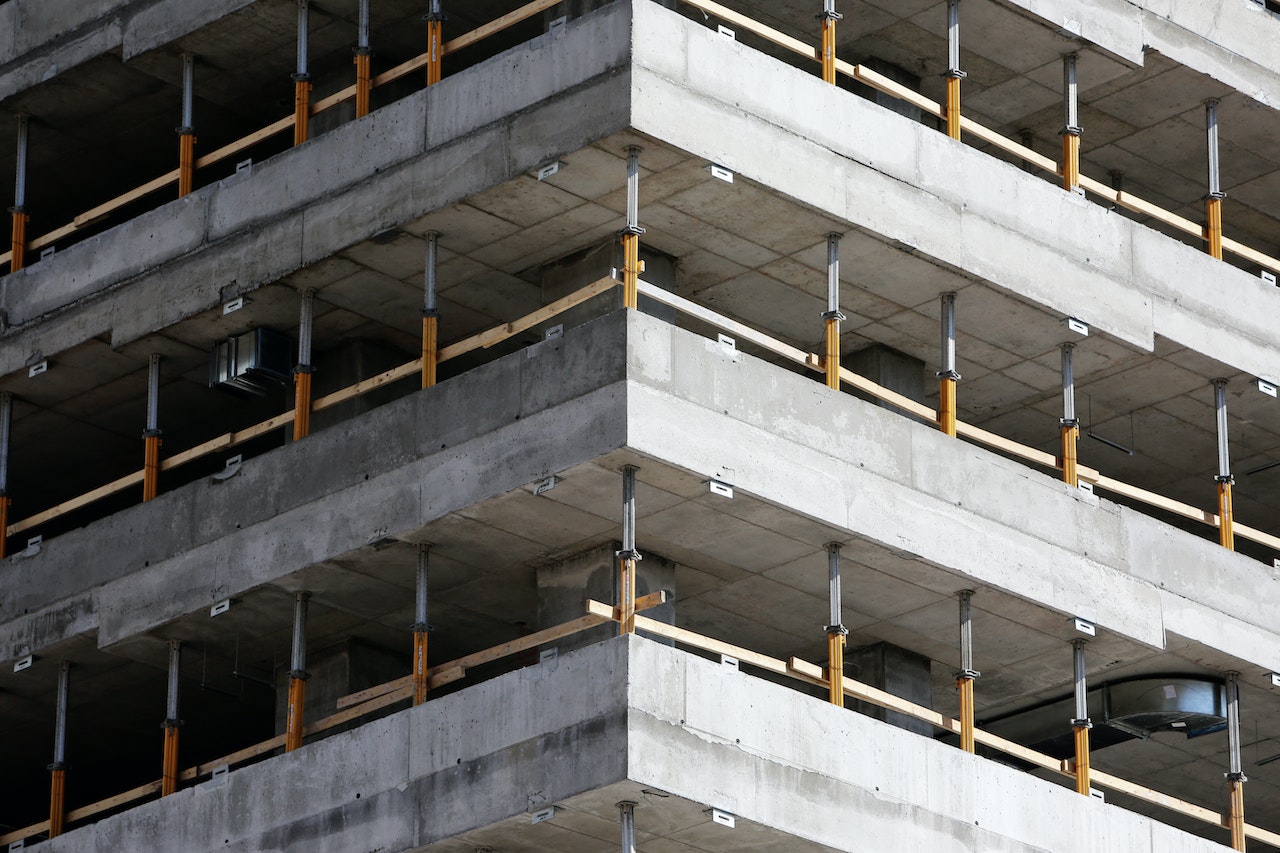
Self-healing concrete incorporates tiny capsules filled with healing agents into its mixture. When cracks form due to external factors or natural wear and tear, these capsules rupture and release the healing agents into the damaged areas. The agents then react chemically with the surrounding materials, effectively repairing the cracks from within. This innovative technology not only increases the lifespan of concrete structures but also reduces maintenance costs and improves safety. By preventing water infiltration through cracked surfaces, self-healing concrete helps mitigate further damage caused by corrosion of reinforcement bars.

3D Printed Building Materials

With 3D printing, architects and engineers can create intricate designs and shapes that were once thought impossible. The process involves layering materials on top of each other, creating a solid structure from bottom to top. This eliminates the need for traditional construction methods like bricklaying or pouring concrete. Not only does 3D printing offer new design possibilities, but it also has several practical advantages. For one, it reduces waste since only the necessary amount of material is used. It also speeds up construction time significantly as large-scale structures can be printed in a small fraction of the time in comparison to using traditional methods.

Bamboo Engineered Products

Bamboo, with its incredible strength and versatility, is being hailed as the future of sustainable building materials. Engineers and architects are exploring innovative ways to use bamboo in construction projects, creating a new generation of engineered products that are not only eco-friendly but also highly durable. The best example of bamboo engineering would be the development of bamboo laminated beams. By layering thin strips of bamboo together and bonding them with adhesives, these beams can be used to create strong structural elements for buildings. Their flexibility allows for creative designs while maintaining structural integrity.

Innovation is the driving force behind progress, and the construction industry is no exception. As society continues to evolve, so do our needs and expectations for buildings that are not only functional but also sustainable, resilient, and aesthetically pleasing. The materials highlighted in this article represent just a glimpse into the future of construction.


Related Post

seats

Creating a Private Backyard Retreat Without Breaking the BankCreating a Private Backyard Retreat Without Breaking the Bank

There’s something special about having your own quiet escape just steps from your back door. Whether it’s a cozy spot to read a book, a place to entertain friends, or simply a peaceful area to unwind after a long day, a private backyard retreat can make a huge difference in how you enjoy your home. The good news? You don’t need a luxury budget to create it. With a little creativity and a few smart choices, you can turn your yard into a secluded haven without overspending.

Make the Most of What You Already Have

chairs

Before you start buying anything new, take a good look at your current space. You might already have features that can be repurposed or refreshed. A weathered fence might just need a coat of paint, or that unused corner of the yard could be transformed with a few plants and some string lights. Sometimes, it’s not about adding more—it’s about reimagining what’s already there.

Choose Smart Solutions for a Tight Budget

When it comes to budget-friendly ways to add backyard privacy, there are more options than you might think. Tall grasses or fast-growing hedges can create natural screens without the cost of a full fence. Lattice panels, especially when paired with climbing vines, offer both privacy and visual interest for a fraction of the price of traditional fencing. Even hanging outdoor curtains from a pergola or DIY frame can make a big impact while keeping things affordable. These low-cost ideas not only enhance seclusion but also add charm to your outdoor space.

Use Plants as Natural Privacy Screens

lush green

Plants are one of the most attractive and functional ways to create privacy. They soften the space, provide shade, and help reduce noise from neighbors or nearby streets. Consider bamboo, boxwood, or tall ornamental grasses for quick coverage. For smaller areas, potted plants can be grouped strategically to shield a patio or seating area. With the right placement, greenery can work just as well as a fence—sometimes better.

Create Zones for Better Use of Space

Even in a small yard, dividing the area into zones can make it feel more organized and private. You might have a seating nook in one area, a garden bed in another, and a grill or dining setup in the back. Using outdoor rugs, planters, or low-cost structures like trellises or benches can help define each zone. The result feels more like a well-planned retreat than a random patch of grass, even if your budget is minimal.

Add Lighting for Ambience

string lights

Outdoor lighting doesn’t just help with visibility—it can completely transform the vibe of your yard. Soft string lights, lanterns, or solar-powered pathway lights make the space feel warm and welcoming. They also encourage relaxation after dark, allowing you to enjoy your backyard well into the evening. Good lighting adds a layer of ambiance that makes any space feel more intentional, private, and cozy—without needing a major investment.

Creating a private backyard retreat doesn’t have to involve a complete overhaul or a big budget. By focusing on simple upgrades, clever layouts, and thoughtful design choices, you can build a space that feels personal and peaceful. Whether you’re working with a tiny patio or a full-sized yard, there are countless ways to enhance privacy and comfort without spending a fortune. Your perfect backyard escape might be closer—and more affordable—than you think.

Home
location

Telltale Signs It’s the Right Location to Buy a HomeTelltale Signs It’s the Right Location to Buy a Home

Thinking about buying a new home should never neglect the fact that the location of your dream house can simply make or break your life. After all, you want the neighborhood to be safe and convenient enough for you and your family’s needs. We talked to experts from Aurora Real Estate, and we asked them, “How do we know if a particular location is right for us?” In this blog post, we’ll share what they got to say about it and explain some telltale signs that indicate it’s the perfect place to call home. Let’s get ahead of the game.

Close Proximity to Valuable Amenities

From hospitals, schools, grocery stores, and parks to public transportation, having these amenities nearby can make daily life more delightful and save you time and money in the long run. It’s especially important if you want to grow your children or even buy a house for your golden years.

Having easy access to grocery stores makes it easier to buy fresh produce and other necessities without having to travel far from home. Parks are great places where families can spend quality time together while enjoying nature’s beauty. Living close to public transportation means that you don’t need a car for every errand or commute; this saves on gas expenses as well as reduces traffic congestion on busy roads.

Good Neighborhood Demand

neighborhood

When seeking the perfect place to call home, one crucial factor to consider is the demand of the neighborhood. A high-demand location means many people want to live in that area, which may indicate a thriving community with plenty of amenities and opportunities. What really contributes to the demand of a neighborhood is safety and security. Homebuyers are more likely to invest in an area with low crime rates and well-maintained public spaces such as sidewalks and parks.

Moreover, neighborhoods with active community associations or events foster a sense of belonging among residents. As such, it is always advisable for potential home buyers to research how lively their prospective communities are before making any commitments.

Thriving Areas

areasThese neighborhoods offer a sense of growth and development, making them an attractive place to live. One sign that an area is thriving is the presence of new businesses and restaurants. If you see many newly established shops or dining places in the area, it shows positive economic activity going on.

A thriving community can be identified through various events like festivals and street fairs held regularly around town. Such activities provide opportunities for locals to connect with one another while also showcasing what their city has to offer. Living in a thriving location not only guarantees convenience but also promises growth potential both economically and socially within your community.

Suitable Lot Location

In terms of buying a home, the location of the lot is just as important as the actual property. A suitable lot location can make all the difference in your living experience and even affect your home’s resale value. For some, even the house’s orientation can be a dealbreaker.

Is it facing east or west? This will determine how much sunlight your home will receive throughout the day. If you love natural light, you might want to look for a lot that faces east – this way; you’ll get beautiful morning sunshine. In some cultures, facing a certain direction means prosperity and wealth.

Finding the right location requires careful consideration of various factors that impact personal preferences regarding lifestyle needs and financial goals. With this guide on the telltale signs of the right place to buy a home at hand, prospective homeowners can make better-informed decisions about investing in their dream homes confidently.

Home
storage

Top Problems With Storage UnitsTop Problems With Storage Units

If you’re considering renting a storage unit, it’s important to know the top problems with storage units. Many people don’t think about the potential issues until they’re already dealing with them; by then, it can be too late. When to get a storage unit? When you’re running out of space or need to declutter your home, it might be time to get a storage unit. This blog post will discuss some of the most common problems people experience with storage units. We’ll also provide tips on how to avoid these problems altogether.

Humidity/Water Damage

unitOne of the most common problems people experience with storage units is humidity or water damage. This can happen for several reasons, such as if the unit is not properly sealed or if there is a leak in the unit. If you live in an area with high humidity, it’s important to take extra precautions to prevent this from happening. You can do this by using a dehumidifier in your unit or by keeping your belongings in airtight containers. If you do experience water damage, it’s important to act quickly. The longer you wait, the more damage will be done.

Lack of Access to Stored Materials

One of the top problems with storage units is that you may not have easy access to stored materials when you need them. For example, if you’re storing seasonal items, you may only be able to get to them a few times a year. And if you’re storing valuable or sentimental items, you may not want to risk taking them out of storage too often. The cost of renting a storage unit can add up over time, and if you’re storing valuable items, you may need to purchase insurance to protect them.

Transporting Stuff to Storage Units

storageOne of the most difficult and time-consuming tasks when it comes to storage units is transporting all of your stuff there in the first place. This can be an overwhelming process if you have many things to store. You may need to rent a truck or trailer and spend hours loading and unloading everything. And if you live in a high-rise apartment or condo, you may have to lug everything down several flights of stairs. Another problem with transporting your stuff to a storage unit is that it can be difficult to know how to pack everything so that it will fit and be well-protected.

You don’t want your belongings to get damaged in transit, so it’s important to take the time to pack everything carefully. Overall, there are a few common problems that people experience with storage units. These include humidity/water damage, lack of access to stored materials, and transporting stuff to the storage unit. However, you can avoid these problems by taking precautions and using the right tips.

Home