

cabin builder
Lechatel Bureau Home How to Build a Log Cabin: Step-by-Step Guide

How to Build a Log Cabin: Step-by-Step Guide

cabin builder

Imagine waking up in a cozy log cabin, surrounded by nature’s beauty. The scent of fresh pine fills the air as sunlight streams through your window. Building your own log cabin can turn this dream into reality. It’s a rewarding project that offers both challenge and satisfaction. However, designing the layout and understanding log sizing for cabin construction are not always easy. But don’t worry, we’ve got you covered with this step-by-step guide on how to build a log cabin. Whether you envision a rustic retreat or a modern getaway, creating a log cabin is an adventure worth embarking on. From selecting the perfect land to choosing materials, every step adds to the excitement.

Environment Considerations

Selecting the right land for your log cabin is crucial. Start by considering accessibility. You want a location that’s easy to reach but still offers privacy. Think about the landscape, too. Do you prefer a wooded area or an open field? Proximity to water can also enhance your experience, providing not just beauty but potential recreational opportunities.

Log Cabin Kit vs. Custom Build
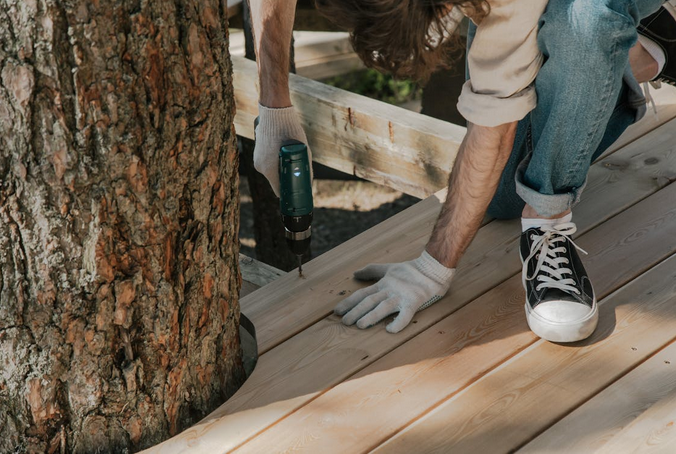
construction

When it comes to building your log cabin, you face a key decision: choosing between a kit or opting for a custom build. Log cabin kits streamline the process. They come with pre-cut logs and detailed instructions. This can be a huge advantage if you’re looking to save time and effort. On the other hand, custom builds offer flexibility. You can design every aspect according to your vision, from layout to materials. If you have specific ideas in mind, this route allows for creativity and personalization. Cost is another factor to consider. Kits often provide predictable pricing, while customization might lead to unexpected expenses depending on your choices.

Foundation Options

There are several options to consider. A concrete slab is popular for its durability and low maintenance. It’s particularly effective in areas with stable soil conditions. Pier foundations provide another viable choice. These elevate your cabin off the ground, promoting better airflow and minimizing moisture issues from the soil below.

Roofing Choices

roofing

Metal roofs are popular for their durability. They can withstand harsh weather while requiring minimal maintenance. Asphalt shingles offer affordability and ease of installation. Wood shakes deliver a rustic aesthetic that blends beautifully with log structures. But most importantly, think about the local climate and aesthetics when making your decision.

Log Wall Construction

Log wall construction is a captivating process. It starts with selecting high-quality logs, which are often sourced from local timber. The choice of wood impacts not only aesthetics but also durability. Once you have your logs, preparation is key. Each log should be debarked and cut to the desired length. This ensures uniformity and allows for better insulation. Next comes the stacking phase. Logs are placed horizontally, interlocking at corners in a method known as saddle notching or dovetailing. These techniques create sturdy connections that enhance structural integrity. As you build up the walls, pay attention to gaps between logs.

Taking time to research and plan each phase makes all the difference. Whether you’re looking for simplicity through a kit or embracing creativity with a custom build, every decision shapes your vision into reality. With careful consideration and dedication, you’ll soon find yourself enjoying life in your very own log cabin sanctuary amidst the beauty of nature.


Related Post

hot tub

Hot Tub Covers 101: Which Type Is Best for Your Backyard Spa?Hot Tub Covers 101: Which Type Is Best for Your Backyard Spa?

Buying a hot tub cover may seem simple at first, but most homeowners quickly realize that it’s a bit trickier than grabbing the first one on sale. Each cover has its perks, drawbacks, and quirks. Exploring the many types of hot tub covers can help you make sense of the options without getting lost in a pile of marketing claims. Let’s break it all down so your spa stays safe and your stress level stays low.

Traditional Foam Covers for Everyday Durability

Foam covers are the classic choice for most hot tub owners. They help maintain heat and keep out leaves, dust, and the occasional rogue critter. Their insulation makes them suitable for colder climates, and the price point is typically manageable. Many people appreciate the balance of strength and simplicity. These covers come in various thickness levels. Thicker models lock in heat better, though they weigh more. Over time, foam covers can absorb moisture, but proper care slows that process.

Hard Covers for Tougher Weather and Extra Security

extreme weather

Hard covers give you an added layer of protection. They stand up well against heavy snow, fallen branches, and unexpected backyard accidents. If you have energetic pets, these covers can help keep them away from the water. They’re also appreciated by families who want an extra safety measure. This option tends to be pricier, but it offers strong long-term value. Hard covers resist sagging better than softer types. They also provide a crisp, polished look that blends nicely with modern backyard setups. The weight can be a challenge, but a lift system solves that for most people.

Soft Vinyl Covers for Quick, Lightweight Use

Soft vinyl covers appeal to homeowners who want something easy to remove in seconds. They work well for warm climates where insulation isn’t the top priority. These covers act as a simple shield against debris and insects. They’re especially popular for above-ground tubs that are often used. Vinyl covers require regular cleaning to stay in good shape. They’re not the strongest option, but their lightness feels convenient. If you prefer something you can manage with one hand, this might be your match. Just be sure it fits snugly so it doesn’t flap around during windy evenings.

Roll-up Covers for Fast Operation

tub cover

Roll-up covers are efficient and surprisingly fun to use. With a quick twist, the material rolls neatly to one side, making access fast. They’re ideal for people who use their tub frequently and dislike heavy lifting. The mechanism keeps things smooth and tidy. These covers tend to be slim and uncomplicated. They don’t have the insulation power of foam or hard covers, but for many hot-tubbing habits, that trade-off is fine. They shine in mild climates where heat loss isn’t a major hurdle. Their sleek design also makes storage effortless.

Choosing a hot tub cover doesn’t have to feel overwhelming. Focus on how often you use your spa, your climate, and how much effort you want to put in. Once those pieces fall into place, the right cover becomes much easier to spot. Then you can sit back, relax, and enjoy your backyard retreat without extra hassle.

Home
Cute Cat

Reasons Why You Need to Own Cat at HomeReasons Why You Need to Own Cat at Home

Although owning a pet carries responsibilities and can present particular challenges (e.g., expensive vet bills), there are also many advantages to having a hairy cat lover. This  lists the main benefits of getting a cat, including companionship, entertainment, cat beauty, genuine grooming, and insect control.

Benefits of Having Cats

Comfy

Cats are usually very affectionate and caring. There is nothing easier than coming home after a hard day at work and finding a furry friend waiting to keep an eye on you. They rub themselves on you, purr when you pet them, they often want to go out with you, and some even curl up in your lap. Alternatively, you can spend some time watching them hunt, play games, make lists, or make a series of different jokes. They are eccentric, funny, and charming. Compared to many unique pets, cats are very easy to care for. They are independent animals that are very happy to exist without human care for long periods.

It may be necessary to provide them with basic care such as change of disorder, feeding and flea care, and occasional visits to the vet, but they usually do not expect much attention. Do not require much space, unlike a huge dog or certain other pets, cats can be happy to live in a more modest apartment or house. This can be a great advantage if you love a pet as a companion and want to live in a big city where rents and house prices are quite high. Apartment cats are usually quite comfortable in their living room and wallow in them.

Facts About Cat

Kittens

It is not necessary to export them. Training a puppy can seem like a lot of fun, but it can also become a routine job. This is extremely precise if done in bad weather conditions or perhaps trying to balance the conflicts between other obligations such as work or perhaps childcare. If it is an outside cat, you may need to let it out from time to time, but this is usually less tiring than walking the dog. Kittens are cute, it is incredibly fun to watch them explore their land, and their playfulness is simply adorable. They won’t stay like kittens forever, but it’s nice while it lasts, so enjoy every second!

Pest control, last but not least, cats can prevent rats and mice from building their home or neighborhood. They are certainly the most common pets in the United States, exceeding the number of dogs by 88-74 million. Some cats are popularly known as clowns. They spend about 70 percent of their lives. The male cats are called Tom. Cats are called Queens or Molly. Domestic cats have existed since 3,600 BC. Someone who likes cats is called ailurophile. Elderly cats meow to talk to people, not cats. They meow in a human child’s playground to attract attention when they are hungry or want something. They can hear higher noise levels than individuals. This allows them to locate rodents and other microorganisms when they hunt.

Home
roofs

The Ultimate Handbook for DIY Roof Repairs: Tackling Different Types of Roof LeaksThe Ultimate Handbook for DIY Roof Repairs: Tackling Different Types of Roof Leaks

Are you tired of those pesky roof leaks ruining your peaceful nights and causing havoc in your home? We hear you. Whether it’s a small drip or a major downpour, dealing with roof leaks can be overwhelming. But fear not because we’re here to arm you with the ultimate handbook for DIY roof repairs.

In this comprehensive guide, we’ll walk you through tackling different types of roof leaks like a pro. Get ready to save some serious cash, unleash your inner handyman (or woman), and bid farewell to those leaky nightmares once and for all.

Identifying the Source of the Leak

Before diving into DIY repairs and learning How to Fix Your Roof, it’s imperative to identify the source of the leak accurately. Leaks can manifest in various ways – from water stains on ceilings to damp spots on walls. Ascend to your attic during daylight hours and inspect for any signs of sunlight penetrating through the roof. Use a flashlight to check for water stains or dark spots, as these often indicate the source of the leak.

Repairing Small Punctures and Holes

For small punctures or holes in your roof, a DIY solution involves using roofing cement. Clean the area around the puncture or hole and apply roofing cement generously. Smooth it out with a putty knife to create a watertight seal. This method is effective for small, isolated leaks and is a quick fix that can prevent further water infiltration.

Fixing Damaged or Missing Shingles

Damaged or missing shingles are common culprits for roof leaks. If you notice a damaged shingle, carefully lift the edges and apply roofing cement underneath. Press the shingle down to secure it in place. For missing shingles, you can use a replacement shingle secured with roofing nails. Ensure that the new shingle matches the color and material of your existing roof for a seamless repair.

Addressing Damaged Flashing

roofers

Flashing, the metal strips that seal joints and seams on your roof, can deteriorate over time, leading to leaks. To address damaged flashing, start by cleaning the affected area. Apply roofing cement to seal any gaps or cracks, and secure the flashing in place using roofing nails. Be thorough in inspecting and treating all flashing around chimneys, vents, and skylights.

Patching Roof Valley Leaks

Roof valleys, where two roof planes meet, are prone to leaks. If you identify a leak in this area, use a piece of metal flashing to create a patch. Place the patch over the affected area and secure it with roofing cement and nails. Ensure that the patch extends a few inches beyond the damaged portion to create a robust barrier against water intrusion.

Sealing Leaky Roof Vent Boots

Roof vent boots, the rubber gaskets around vent pipes, can degrade over time, leading to leaks. To address this, inspect the vent boots for cracks or damage. If you notice any issues, use roofing cement to create a tight seal around the base of the vent pipe. Apply the cement generously, ensuring that it covers the damaged area and creates a durable, watertight seal.

DIY roof repairs can be a feasible option for addressing common types of roof leaks, but it’s crucial to approach them with caution and thoroughness. While these solutions can mitigate immediate issues, it’s advisable to consult with a professional roofer for complex problems or when in doubt. Regular roof maintenance and prompt attention to leaks will help you preserve the integrity of your home and protect it from potential water damage.

Home