


Thinking about buying a new home should never neglect the fact that the location of your dream house can simply make or break your life. After all, you want the neighborhood to be safe and convenient enough for you and your family’s needs. We talked to experts from Aurora Real Estate, and we asked them, “How do we know if a particular location is right for us?” In this blog post, we’ll share what they got to say about it and explain some telltale signs that indicate it’s the perfect place to call home. Let’s get ahead of the game.
Close Proximity to Valuable Amenities
From hospitals, schools, grocery stores, and parks to public transportation, having these amenities nearby can make daily life more delightful and save you time and money in the long run. It’s especially important if you want to grow your children or even buy a house for your golden years.
Having easy access to grocery stores makes it easier to buy fresh produce and other necessities without having to travel far from home. Parks are great places where families can spend quality time together while enjoying nature’s beauty. Living close to public transportation means that you don’t need a car for every errand or commute; this saves on gas expenses as well as reduces traffic congestion on busy roads.
Good Neighborhood Demand

When seeking the perfect place to call home, one crucial factor to consider is the demand of the neighborhood. A high-demand location means many people want to live in that area, which may indicate a thriving community with plenty of amenities and opportunities. What really contributes to the demand of a neighborhood is safety and security. Homebuyers are more likely to invest in an area with low crime rates and well-maintained public spaces such as sidewalks and parks.
Moreover, neighborhoods with active community associations or events foster a sense of belonging among residents. As such, it is always advisable for potential home buyers to research how lively their prospective communities are before making any commitments.
Thriving Areas
 These neighborhoods offer a sense of growth and development, making them an attractive place to live. One sign that an area is thriving is the presence of new businesses and restaurants. If you see many newly established shops or dining places in the area, it shows positive economic activity going on.
A thriving community can be identified through various events like festivals and street fairs held regularly around town. Such activities provide opportunities for locals to connect with one another while also showcasing what their city has to offer. Living in a thriving location not only guarantees convenience but also promises growth potential both economically and socially within your community.
Suitable Lot Location
In terms of buying a home, the location of the lot is just as important as the actual property. A suitable lot location can make all the difference in your living experience and even affect your home’s resale value. For some, even the house’s orientation can be a dealbreaker.
Is it facing east or west? This will determine how much sunlight your home will receive throughout the day. If you love natural light, you might want to look for a lot that faces east – this way; you’ll get beautiful morning sunshine. In some cultures, facing a certain direction means prosperity and wealth.
Finding the right location requires careful consideration of various factors that impact personal preferences regarding lifestyle needs and financial goals. With this guide on the telltale signs of the right place to buy a home at hand, prospective homeowners can make better-informed decisions about investing in their dream homes confidently.
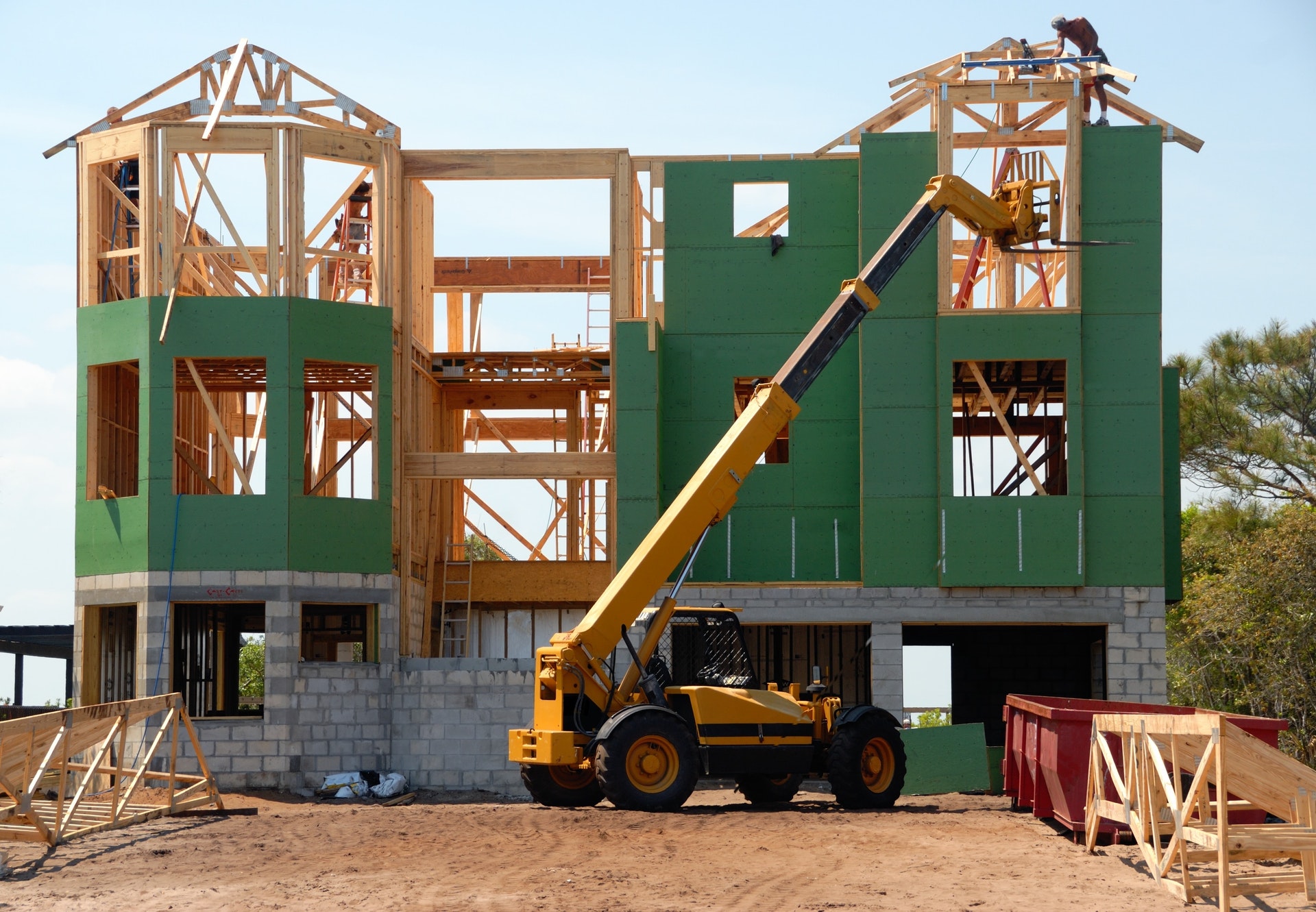
 The first thing to check is your financial ability. Take some time to create a proper budget and then meet with a financial advisor. Your advisor can help you estimate the maximum amount of money you can invest each month. Be sure to allow for some flexibility, as there are likely to be unexpected expenses. Before deciding to build a house, this is an important factor that you need to keep in mind. Because you don’t want to end up getting in debt while building your home.
 Make a list of what you want and a second list of what you need. Once you’ve decided on the components you want in your new home, it’s time to find a fantastic piece of land. Do you want to live in the city or the country? Don’t feel like you have to buy right away. You’ll end up much happier buying a property that your family will love. If you have a family, you also need to determine their needs in the long run. This is also one fo the most important things.
 Once you’ve secured a property, it’s time to select a housing program. Reputable builders may want to find a comprehensive strategy. These programs can be created through an architectural firm or purchased through various construction centers and websites. Your building inspector can be a valuable resource during the construction of your new home. It could be a real shame if your work is delayed due to an accident on the job site. You could also hire a building inspector.
 You can’t ever achieve a successful home renovation project unless you always keep your home space and furniture layout in mind. It includes both the furniture and how you arrange it. You want to create a design that is both functional and aesthetically pleasing. For example, you do not wish to put your sofa in front of the window where the sun would glare on it all day. Moreover, you want to arrange your furniture to allow for easy traffic flow. You also don’t want your furniture to be too close together as it would make the space feel cramped.
 Line and pattern are other essential elements of
 These companies have to pay to get rid of these old poles, and that’s where you come in. Talk to your local power or phone company and find out where they keep the old poles or damaged poles and tell them that you would like to get some. They will be happy to remove them in almost any case. Of course, you cannot carry regular size sticks with you, so you will need a chainsaw with some old and worn chains to lower the stakes down to six feet. Please note that I mentioned old and worn chains for your saw. Sharpen them until you cut, and be ready to get rid of them when you have finished sawing the sticks.
 A great trick is that if your railing is on a direct line, insert the first and last item. Place a nail in the center of these two posts and show a line between them. Now you have a quick guide to the two points and the center lines of each of the two intermediate poles without having to measure each one. If you have a water source nearby, a good soaking of the charge will speed up the sedimentation process. Clean the area around your stakes by removing all excess stones and blocks and throwing away some grass seeds to brighten the room. It is much easier to do this before the top rail gets into position. Raking under the fence and getting on and off the rail wears out very quickly.