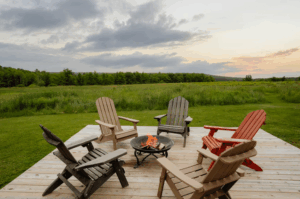
seats
Lechatel Bureau Home Creating a Private Backyard Retreat Without Breaking the Bank

Creating a Private Backyard Retreat Without Breaking the Bank

seats

There’s something special about having your own quiet escape just steps from your back door. Whether it’s a cozy spot to read a book, a place to entertain friends, or simply a peaceful area to unwind after a long day, a private backyard retreat can make a huge difference in how you enjoy your home. The good news? You don’t need a luxury budget to create it. With a little creativity and a few smart choices, you can turn your yard into a secluded haven without overspending.

Make the Most of What You Already Have

chairs

Before you start buying anything new, take a good look at your current space. You might already have features that can be repurposed or refreshed. A weathered fence might just need a coat of paint, or that unused corner of the yard could be transformed with a few plants and some string lights. Sometimes, it’s not about adding more—it’s about reimagining what’s already there.

Choose Smart Solutions for a Tight Budget

When it comes to budget-friendly ways to add backyard privacy, there are more options than you might think. Tall grasses or fast-growing hedges can create natural screens without the cost of a full fence. Lattice panels, especially when paired with climbing vines, offer both privacy and visual interest for a fraction of the price of traditional fencing. Even hanging outdoor curtains from a pergola or DIY frame can make a big impact while keeping things affordable. These low-cost ideas not only enhance seclusion but also add charm to your outdoor space.

Use Plants as Natural Privacy Screens

lush green

Plants are one of the most attractive and functional ways to create privacy. They soften the space, provide shade, and help reduce noise from neighbors or nearby streets. Consider bamboo, boxwood, or tall ornamental grasses for quick coverage. For smaller areas, potted plants can be grouped strategically to shield a patio or seating area. With the right placement, greenery can work just as well as a fence—sometimes better.

Create Zones for Better Use of Space

Even in a small yard, dividing the area into zones can make it feel more organized and private. You might have a seating nook in one area, a garden bed in another, and a grill or dining setup in the back. Using outdoor rugs, planters, or low-cost structures like trellises or benches can help define each zone. The result feels more like a well-planned retreat than a random patch of grass, even if your budget is minimal.

Add Lighting for Ambience

string lights

Outdoor lighting doesn’t just help with visibility—it can completely transform the vibe of your yard. Soft string lights, lanterns, or solar-powered pathway lights make the space feel warm and welcoming. They also encourage relaxation after dark, allowing you to enjoy your backyard well into the evening. Good lighting adds a layer of ambiance that makes any space feel more intentional, private, and cozy—without needing a major investment.

Creating a private backyard retreat doesn’t have to involve a complete overhaul or a big budget. By focusing on simple upgrades, clever layouts, and thoughtful design choices, you can build a space that feels personal and peaceful. Whether you’re working with a tiny patio or a full-sized yard, there are countless ways to enhance privacy and comfort without spending a fortune. Your perfect backyard escape might be closer—and more affordable—than you think.

Related Post

roofs

The Ultimate Handbook for DIY Roof Repairs: Tackling Different Types of Roof LeaksThe Ultimate Handbook for DIY Roof Repairs: Tackling Different Types of Roof Leaks

Are you tired of those pesky roof leaks ruining your peaceful nights and causing havoc in your home? We hear you. Whether it’s a small drip or a major downpour, dealing with roof leaks can be overwhelming. But fear not because we’re here to arm you with the ultimate handbook for DIY roof repairs.

In this comprehensive guide, we’ll walk you through tackling different types of roof leaks like a pro. Get ready to save some serious cash, unleash your inner handyman (or woman), and bid farewell to those leaky nightmares once and for all.

Identifying the Source of the Leak

Before diving into DIY repairs and learning How to Fix Your Roof, it’s imperative to identify the source of the leak accurately. Leaks can manifest in various ways – from water stains on ceilings to damp spots on walls. Ascend to your attic during daylight hours and inspect for any signs of sunlight penetrating through the roof. Use a flashlight to check for water stains or dark spots, as these often indicate the source of the leak.

Repairing Small Punctures and Holes

For small punctures or holes in your roof, a DIY solution involves using roofing cement. Clean the area around the puncture or hole and apply roofing cement generously. Smooth it out with a putty knife to create a watertight seal. This method is effective for small, isolated leaks and is a quick fix that can prevent further water infiltration.

Fixing Damaged or Missing Shingles

Damaged or missing shingles are common culprits for roof leaks. If you notice a damaged shingle, carefully lift the edges and apply roofing cement underneath. Press the shingle down to secure it in place. For missing shingles, you can use a replacement shingle secured with roofing nails. Ensure that the new shingle matches the color and material of your existing roof for a seamless repair.

Addressing Damaged Flashing

roofers

Flashing, the metal strips that seal joints and seams on your roof, can deteriorate over time, leading to leaks. To address damaged flashing, start by cleaning the affected area. Apply roofing cement to seal any gaps or cracks, and secure the flashing in place using roofing nails. Be thorough in inspecting and treating all flashing around chimneys, vents, and skylights.

Patching Roof Valley Leaks

Roof valleys, where two roof planes meet, are prone to leaks. If you identify a leak in this area, use a piece of metal flashing to create a patch. Place the patch over the affected area and secure it with roofing cement and nails. Ensure that the patch extends a few inches beyond the damaged portion to create a robust barrier against water intrusion.

Sealing Leaky Roof Vent Boots

Roof vent boots, the rubber gaskets around vent pipes, can degrade over time, leading to leaks. To address this, inspect the vent boots for cracks or damage. If you notice any issues, use roofing cement to create a tight seal around the base of the vent pipe. Apply the cement generously, ensuring that it covers the damaged area and creates a durable, watertight seal.

DIY roof repairs can be a feasible option for addressing common types of roof leaks, but it’s crucial to approach them with caution and thoroughness. While these solutions can mitigate immediate issues, it’s advisable to consult with a professional roofer for complex problems or when in doubt. Regular roof maintenance and prompt attention to leaks will help you preserve the integrity of your home and protect it from potential water damage.

Home
roof

Four Most Common Mistakes Homeowners Make in Their DIY Roofing ProjectsFour Most Common Mistakes Homeowners Make in Their DIY Roofing Projects

Are you a homeowner who enjoys tackling DIY projects around the house? From painting walls to installing new fixtures, there’s something gratifying about taking matters into your own hands. A Leaking roof for homeowners can be a serious issue if left for too long. In fact, when it comes to roofing projects, there are a few common mistakes that many homeowners unknowingly make. Read this post as we explore these pitfalls and provide helpful tips to ensure your DIY roofing project succeeds.

Sealing Shingles With Poor Techniques and Tools

When it comes to sealing shingles, the techniques and tools you use can make all the difference. However, many homeowners aren’t familiar with the right techniques, which leads to ineffective results. Whether it’s applying too much or too little sealant, not properly cleaning the surface before sealing, or failing to distribute the sealant evenly, these errors can compromise the integrity of your roof.

Another pitfall is using inadequate tools for the job. While it may be tempting to reach for whatever is on hand, like a regular paintbrush or roller, this can result in an uneven application and potential leaks down the line. Investing in proper roofing brushes or rollers specifically designed for shingle sealing will ensure a more precise and thorough coating.

rain

Skipping the Use of a Professional Grade Sealant or Caulk

They may think that any sealant will do the job, but in reality, using subpar products can ultimately lead to costly repairs down the line. Using a professional-grade sealant is crucial for ensuring that your roof remains watertight and protected from leaks. These high-quality products are specifically designed to withstand extreme weather conditions and provide long-lasting durability.

By opting for cheaper alternatives or simply neglecting to use a sealant altogether, you’re putting your roof at risk. Without proper sealing, moisture can seep into cracks and crevices, leading to water damage and potentially compromising the structural integrity of your home. Furthermore, using a professional-grade caulk ensures proper adhesion between different roofing materials. This helps prevent gaps where water can penetrate and cause further damage over time.

Ignoring Insulation Like It Doesn’t Even Exist

helmetsInsulation is an often overlooked aspect of DIY roofing projects, but its importance cannot be emphasized enough. Many homeowners make the mistake of neglecting insulation or not giving it the consideration it deserves. This can have serious consequences for both your comfort and energy efficiency.

Proper insulation helps regulate temperature and prevent heat loss in your home. Without it, you may find yourself dealing with uncomfortable drafts during colder months or excessive heat buildup in the summer. Additionally, ignoring insulation can lead to higher energy bills as your HVAC system has to work harder to maintain a comfortable indoor environment.

Forgetting to Install a Drip Edge or Leak Barrier

When it comes to DIY roofing projects, forgetting to install a drip edge or leak barrier is one of the most common mistakes homeowners make. A drip edge is a metal strip installed along the edges of the roof to prevent water from seeping into the underlying materials. A leak barrier, on the other hand, is a waterproof membrane that is installed under shingles in areas prone to leaks, such as valleys and penetrations.

Forgetting to install these crucial components can have serious consequences for your roof’s durability and performance. Without a drip edge, water can accumulate along the edges of your roof, leading to rotting wood, mold growth, and even structural damage. And without a leak barrier, you run the risk of costly leaks that can result in interior damage.

By being mindful of these four common mistakes – sealing shingles with poor techniques or tools, skipping professional-grade sealants or caulks, ignoring insulation needs, and forgetting drip edges or leak barriers – homeowners can avoid costly repairs down the road while ensuring their roofs remain strong against whatever nature throws at them.

Home
Home Furniture

Reasons Why You Need to Rent FurnitureReasons Why You Need to Rent Furniture

Deciding whether they have to buy or rent furniture for their furniture maker’s work is a big struggle for furniture manufacturers. But for many people, they buy new furniture when they stage empty houses and rent the only furniture for furnished houses. Hence, you can find out more on Find Rentals to find the best furniture for your home.

The Advantages of Renting Furniture

Home

There are clear advantages to renting out furniture. One of these is that it is unnecessary to make a large investment in advance to rent furniture. Also, you do not need to move into the apartment by yourself, and this can be an advantage for you, as it gives you more time to do the actual work, the property management work. But even if you discover such obvious benefits, you will see that many home staging experts do not prefer to rent furniture. They often say that it is not “attractive.”

The advantages of renting furniture according to a wide variety of experts and professionals might become beneficial. Furniture leasing is probably neutral, often slightly contemporary, and is not a wonderful way to find decent furniture that you thought would make your home look good since most of the furniture you are interested in is not currently available from rental companies. If you reduce it to this price, it is expensive because most companies that offer furniture rental over the phone get a minimum of 3 months’ rent. If we compare the purchase of furniture with leased furniture, the purchase is somehow distinguished by the time it gives to the owners (your customers) and saves money by not limiting the minimum contract.

The Decision on Furniture Design

Even if the purchase is expensive, you should keep the pieces you will buy for your job as a carer. This is a one-time payment so that you can save money. Also, when you purchase furniture, you should decide on each piece. You can choose the designs and designs you like and keep them – you no longer have to pay rent! Limited alternatives. As I said before, it is not possible to find all the furniture you like to rent. This is simply because your options are limited. Just one example: you have a job at home in a modern empty apartment, and you have decided to rent furniture from a rental company. Unfortunately, when you arrive at the rental company, there is no more modern furniture to match the entire modern apartment.

You have no choice but to rent furniture that does not match the type of apartment you want to put on stage. Whether it’s a birthday party, you need an exciting collection of chairs, decorations, and lively themed structures. To enhance an elegant look on physical occasions, you can have a range of blue, black, silver, white, or gold furniture. Each circumstance requires a varied arrangement. They are a unique event for couples, as the logo of the perfect union. To facilitate the wedding reception and vows, consider a wedding with lovely and lively curtains, tapestries, candlesticks, and iron wicker furniture at a reasonable price. Beautiful decor and custom yards will make every event a blessing. Don’t miss the wonderful garden seating that will lift the mood of the party.

Home