window
Lechatel Bureau Home Indoor Plants That Help Eliminate Air Pollutants at Home

Indoor Plants That Help Eliminate Air Pollutants at Home

| | 0 Comments| 10:11 pm
window

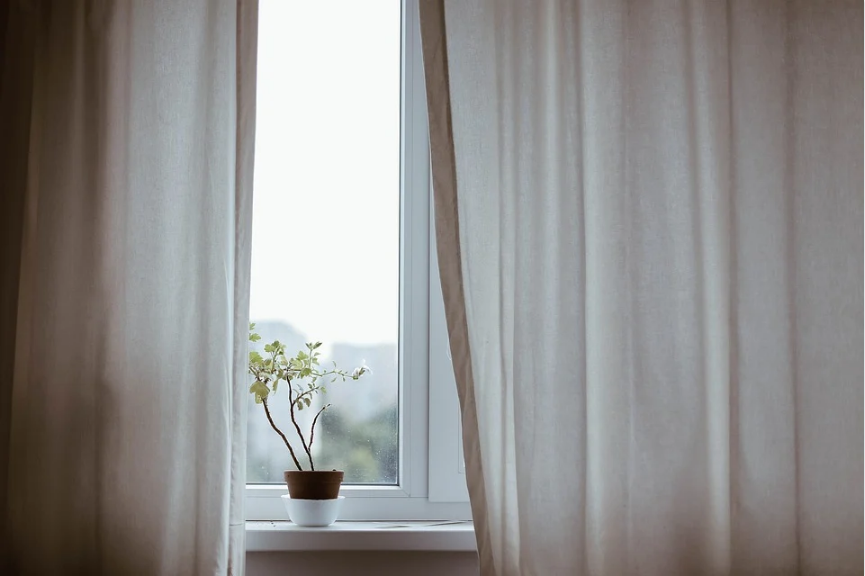
The air inside your home may carry pollutants that cause disease and affect the body. The air pollution can exist not only outside but also inside your house. Contaminants in your home can come from wax candles, paint, exhaust fan or furniture. Apartment plants can clean and remove air pollutants from the house in a natural way. Here are they:

Dendrobium

purple

The dendrobium orchid can remove a compound called xylene that is harmful to the body. Xylene is found in adhesives used in furniture and paints, and you will benefit from the dendrobium orchid. They are fantastic for their flowers that bloom for about eight to ten weeks, and it can be a great combination with the decorations. They are excellent as cut flowers because of their sturdy stems.

Peace Lilies

Peace lilies can eliminate dangerous toxins such as methyl alcohol, ammonia, acetone, and also xylene from the air inside your house. Peace lilies are also a great indoor plant that flourishes in low light situations and at room temperature. Of course, they need sunlight but not the harsh ones. They can be placed near your windows.

Anthuriums

pink

Anthuriums are plants with an exotic appearance that have huge leaves; therefore, they are exceptional as plants and develop in low light conditions. They eliminate formaldehyde, ammonia, xylene, and toluene.

They are best suited to decorate your space inside your home. The flowers are heart-shaped when they bloom, and they have red, yellow, purple, pink, green or white bracts.

Schefflera

Schefflera plants are responsible for eliminating dangerous toxins such as benzene, formaldehyde and toluene. The Schefflera plant belongs to the genus Schefflera and the Araliaceae family. The leaves are long, oval and shiny, and they can grow to a height of 3 feet. They can be useful for eliminating air pollutions at home, but they can be mildly toxic to your pets.

Ferns

Ferns are plants that remove harmful substances such as toluene and xylene, contained in many paints, drops of glue and adhesives. They have soft leaves and large branches, and they grow indoors, and they are beautiful. Nephrolepis exalta is known for the wild fern or sword fern. Sufficient for the removal of pollutants in the air. The Boston fern arches over it and grows to about 6 feet. In alternating periods with sunny and shady degrees Fahrenheit, the Boston fern grows beautifully. When the humidity drops, the leaf tips make the ferns thrive in the soil and air.


Related Post

green

Passive House Design Principles That Lower Your Energy BillsPassive House Design Principles That Lower Your Energy Bills

Building a home that uses minimal energy starts with smart design choices. Westdeutsche Zeitung talks about how passive house principles can dramatically reduce heating and cooling needs. By focusing on insulation, airtightness, and natural energy sources, homeowners can cut bills while living comfortably.

High-Performance Insulation

woman Insulation is the backbone of any passive house. Thick walls, roofs, and floors prevent heat from escaping during winter and keep interiors cool in summer. This approach dramatically lowers reliance on heating systems and air conditioners, saving money every month. Homeowners also notice improved indoor comfort with consistent temperatures. It’s like wrapping the house in a protective cocoon. Choosing eco-friendly insulation materials can further reduce environmental impact while maintaining effectiveness.

Airtight Construction

Preventing drafts is just as important as having insulation. Airtight seals around windows, doors, and walls block uncontrolled airflow that can spike energy use. It also improves indoor air quality, as controlled ventilation can filter dust and allergens. A tight envelope allows heating and cooling systems to work efficiently without overcompensating for leaks. Even small gaps can make a noticeable difference in energy consumption. Paying attention to these details during construction avoids costly adjustments later.

Heat Recovery Ventilation Systems

Even airtight homes need fresh air. Heat recovery ventilation systems bring in outdoor air while capturing heat from outgoing air. This method keeps indoor air fresh without losing energy through ventilation. The systems can also regulate humidity, preventing mold growth and improving comfort. Over time, the energy savings from controlled airflow can be substantial. It’s a solution that combines efficiency with health benefits.

Strategic Window Placement and Shading

window

Windows are more than just aesthetic; they control heat gain and natural lighting. South-facing windows capture winter sun, while properly designed shading prevents overheating in summer. This balance reduces dependence on electrical lighting and cooling systems. High-performance, double or triple-glazed windows amplify these benefits. They trap warmth during cold months and resist heat during summer. Integrating shutters or overhangs can add another layer of energy efficiency.

Passive Solar Design

Orientation and building shape can reduce energy demands significantly. Passive solar design uses sunlight to naturally heat spaces and illuminate interiors. Simple strategies, like positioning living areas toward the sun, can lower the need for artificial heating. Thermal mass, such as concrete or stone floors, stores daytime heat for evening use. The result is a home that feels comfortable year-round without relying heavily on mechanical systems. Even small design tweaks can have a big impact on bills and sustainability.

Efficient Lighting and Appliances

small Energy-efficient lighting and appliances complement passive house design. LED bulbs, low-energy fixtures, and smart home appliances reduce electricity consumption without sacrificing convenience. This approach ensures that the home’s energy performance is maximized alongside its structural efficiency. Modern appliances with high energy ratings also last longer and cost less to operate over time. Combining these with automated systems, like motion-sensor lights, further cuts unnecessary usage. It’s a practical step that fits seamlessly into sustainable living goals.

Implementing passive house principles transforms how homes use energy. From insulation and airtightness to smart window placement and ventilation, these strategies lower costs and improve comfort. By adopting these methods, homeowners create sustainable, practical living spaces that are friendly to both their budgets and the planet.

Home

Customization vs. Standard Designs: Finding the Right Approach for Your HomeCustomization vs. Standard Designs: Finding the Right Approach for Your Home

Embarking on the journey of building your dream home involves a pivotal decision: should you opt for a fully customized design or embrace the convenience of standard plans? It’s a choice that encompasses personal preferences, practical considerations, and the vision you hold for your ideal abode. The allure of customization lies in the ability to shape every nook and cranny according to your desires, like selecting the perfect layout, choosing unique architectural elements, and tailoring spaces to fit your lifestyle seamlessly. This path allows you to imprint your identity onto every corner of your home, ensuring that it reflects your personality and fulfills your specific needs.

Customization: Tailoring Spaces to Your Vision

visions

Customization embodies the essence of personalization. A canvas where your imagination knows no bounds. It’s the opportunity to craft every facet of your home to mirror your unique lifestyle, preferences, and aspirations. From the layout options and architectural styles highlighted at Haustechnikdialog.de to intricate details, customization allows you to sculpt a space that truly feels like home.

Pros of Customization:

  • Personalized Expression: Tailoring every aspect to your liking ensures a home that reflects your personality and meets your specific needs.
  • Optimized Functionality: Designing from scratch enables you to optimize spaces for functionality, ensuring they align perfectly with your lifestyle.
  • Unique Features: Incorporating unique elements and innovative design features makes your home stand out, exuding character and individuality.

Standard Designs: Embracing Efficiency and Familiarity

Standard designs offer a different allure. A blend of efficiency, affordability, and a touch of familiarity. These ready-made plans often come with pre-determined layouts and features, streamlining the construction process and offering a tried-and-tested blueprint for a functional home.

Pros of Standard Designs:

  • Cost-Effectiveness: Standard designs generally come at a lower cost since they are pre-designed, saving on architect fees and design complexities.
  • Faster Construction: With pre-made plans, the construction process tends to be quicker as the design is standardized and well-documented.
  • Reliability: Standard designs often come from reputable sources, ensuring structural integrity and adherence to building codes and regulations.

Finding the Balance: Which Approach Fits Your Vision?

approach

The decision between customization and standard designs boils down to finding the right balance that aligns with your vision, budget, and timeline. It’s often a matter of assessing priorities and understanding the trade-offs each approach entails.

Considerations to Help You Decide:

  1. Your Vision: How essential is it to bring your unique vision to life? Are there specific features or design elements that hold significant importance to you?
  2. Budget Constraints: What is your budget for the project? Customization often comes with added costs, while standard designs offer more cost-effective options.
  3. Timeframe: How soon do you want to move into your new home? Standard designs generally streamline the construction process, while customization might take longer due to planning and approvals.

The quest for the perfect home design involves a delicate dance between individuality and pragmatism. While customization allows you to create a space that’s uniquely yours, standard designs offer efficiency and cost savings. Ultimately, the ideal approach lies in finding the equilibrium that best suits your aspirations, constraints, and comfort. Whether it’s embracing the freedom of customization or opting for the convenience of standard plans, your dream home is a reflection of your choices, preferences, and the balance you strike between personalization and practicality.

Home
cabin builder

How to Build a Log Cabin: Step-by-Step GuideHow to Build a Log Cabin: Step-by-Step Guide

Imagine waking up in a cozy log cabin, surrounded by nature’s beauty. The scent of fresh pine fills the air as sunlight streams through your window. Building your own log cabin can turn this dream into reality. It’s a rewarding project that offers both challenge and satisfaction. However, designing the layout and understanding log sizing for cabin construction are not always easy. But don’t worry, we’ve got you covered with this step-by-step guide on how to build a log cabin. Whether you envision a rustic retreat or a modern getaway, creating a log cabin is an adventure worth embarking on. From selecting the perfect land to choosing materials, every step adds to the excitement.

Environment Considerations

Selecting the right land for your log cabin is crucial. Start by considering accessibility. You want a location that’s easy to reach but still offers privacy. Think about the landscape, too. Do you prefer a wooded area or an open field? Proximity to water can also enhance your experience, providing not just beauty but potential recreational opportunities.

Log Cabin Kit vs. Custom Build

construction

When it comes to building your log cabin, you face a key decision: choosing between a kit or opting for a custom build. Log cabin kits streamline the process. They come with pre-cut logs and detailed instructions. This can be a huge advantage if you’re looking to save time and effort. On the other hand, custom builds offer flexibility. You can design every aspect according to your vision, from layout to materials. If you have specific ideas in mind, this route allows for creativity and personalization. Cost is another factor to consider. Kits often provide predictable pricing, while customization might lead to unexpected expenses depending on your choices.

Foundation Options

There are several options to consider. A concrete slab is popular for its durability and low maintenance. It’s particularly effective in areas with stable soil conditions. Pier foundations provide another viable choice. These elevate your cabin off the ground, promoting better airflow and minimizing moisture issues from the soil below.

Roofing Choices

roofing

Metal roofs are popular for their durability. They can withstand harsh weather while requiring minimal maintenance. Asphalt shingles offer affordability and ease of installation. Wood shakes deliver a rustic aesthetic that blends beautifully with log structures. But most importantly, think about the local climate and aesthetics when making your decision.

Log Wall Construction

Log wall construction is a captivating process. It starts with selecting high-quality logs, which are often sourced from local timber. The choice of wood impacts not only aesthetics but also durability. Once you have your logs, preparation is key. Each log should be debarked and cut to the desired length. This ensures uniformity and allows for better insulation. Next comes the stacking phase. Logs are placed horizontally, interlocking at corners in a method known as saddle notching or dovetailing. These techniques create sturdy connections that enhance structural integrity. As you build up the walls, pay attention to gaps between logs.

Taking time to research and plan each phase makes all the difference. Whether you’re looking for simplicity through a kit or embracing creativity with a custom build, every decision shapes your vision into reality. With careful consideration and dedication, you’ll soon find yourself enjoying life in your very own log cabin sanctuary amidst the beauty of nature.

Home