
roof
Lechatel Bureau Home Comparing Rubber Roofing to Traditional Roofing Materials: What You Need to Know

Comparing Rubber Roofing to Traditional Roofing Materials: What You Need to Know

roof

Choosing the suitable roofing material for your home can feel overwhelming with so many options available. While traditional choices like asphalt shingles, metal, and tiles are common, rubber roofing has emerged as a popular alternative with unique advantages. If you’re trying to decide between rubber roofing and more conventional materials, this guide from the best residential roofing company will help you weigh the pros and cons to make an informed decision.

Understanding Rubber Roofing

Rubber roofing, often made from a synthetic material called EPDM (ethylene propylene diene terpolymer), is a durable, flexible, and weather-resistant option. It’s typically available in rolls or sheets, which makes it ideal for flat or low-sloped roofs. Rubber roofing has been used in commercial buildings for years but is becoming increasingly popular in residential settings.

Traditional Roofing Materials
shingles

Let’s briefly touch on some of the traditional roofing materials:

  • Asphalt Shingles: The most common roofing material, asphalt shingles are affordable, easy to install, and come in various colors and styles.
  • Metal Roofing: Known for its longevity and durability, metal roofing is resistant to extreme weather and is often made from aluminum, steel, or copper.
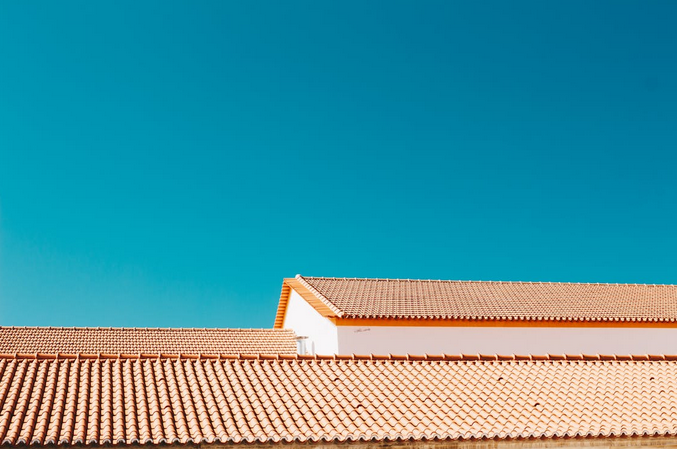
  • Clay or Concrete Tiles: These heavy-duty tiles are incredibly durable and offer a distinct aesthetic, often associated with Mediterranean or Southwestern-style homes.
  • Wood Shingles or Shakes: Made from cedar, redwood, or other types of wood, these shingles offer a natural look but require more maintenance to prevent issues like rot or insect damage.

Durability: How Does Rubber Roofing Compare?

Durability is a key factor when choosing a roofing material. Rubber roofing is highly durable, with a lifespan of 30 to 50 years when properly maintained. It’s resistant to extreme weather conditions, including heavy rain, snow, and UV rays, making it an excellent choice for areas with diverse climates.

In comparison:

  • Asphalt Shingles typically last 15 to 30 years. However, they can be damaged by high winds and may need more frequent repairs.
  • Metal Roofing offers excellent durability and a lifespan of 40 to 70 years. It’s resistant to fire, rot, and insect damage but can be noisy during heavy rain or hailstorms.
  • Clay or Concrete Tiles are highly durable and have a lifespan of 50 to 100 years. However, they are heavy and may require additional structural support.
  • Wood Shingles or Shakes: Generally last 20 to 40 years but require regular maintenance to protect against moisture and pests.
durable

Cost Considerations

Cost is another critical aspect to consider. Rubber roofing is generally more expensive than asphalt shingles but less costly than metal or tile roofing. The initial investment may be higher, but the long-term savings from reduced maintenance and repairs can make rubber roofing a cost-effective option.

Here’s a general comparison:

  • Asphalt Shingles: $3.50 to $5.50 per square foot installed.
  • Rubber Roofing: $6.00 to $10.00 per square foot installed.
  • Metal Roofing: $7.00 to $12.00 per square foot installed.
  • Clay or Concrete Tiles: $10.00 to $20.00 per square foot installed.
  • Wood Shingles or Shakes: $6.50 to $11.00 per square foot installed.

Environmental Impact

For those concerned about sustainability, rubber roofing stands out as an eco-friendly choice. Most rubber roofing is made from recycled materials. At the end of its lifespan, it can be recycled again. It also offers excellent insulation properties, which can help reduce energy consumption in your home.

In comparison:

  • Asphalt Shingles: Not exceptionally eco-friendly. They’re petroleum-based and difficult to recycle, contributing to landfill waste.
  • Metal Roofing: Highly recyclable and energy-efficient, making it a good option for eco-conscious homeowners.
  • Clay or Concrete Tiles: Made from natural materials and can be recycled, their production process is energy-intensive.
  • Wood Shingles or Shakes: These are renewable resources, but the treatment process to make them weather-resistant can involve chemicals.

Choosing the right roofing material depends on your specific needs, budget, and aesthetic preferences. Rubber roofing offers excellent durability, energy efficiency, and environmental benefits, making it a strong contender for many homeowners. However, traditional materials like asphalt shingles, metal, and clay tiles have unique advantages.


Related Post

patio

Tips for Outdoor Patio LightingTips for Outdoor Patio Lighting

Installing outdoor patio lighting is a great addition to you, but it’s also wise to understand how to make sure it’s safe. If it’s installed incorrectly, you run the risk of accidentally catching fire or getting electrocuted. The first thing you should do is check your outdoor patio lights regularly. If a socket looks worn or in disrepair, it needs to be repaired.

Also, if there is any exposed wiring, chances are you may be the accidental victim of a creature chewing gum on it. They might not be damaged enough to get hurt, but maybe enough to damage the wire. Loose wires can also be harmful; they could cause sparks and a house fire. To know more about patio lights, click here: https://designswan.com.

Make Safety a Priority

lights

Although outdoor lighting for the home is not new, it has changed. More new materials are being used and beautiful designs are being made, but another change has been specifically safety. While industry and government standards for home exterior lighting must be met, unfortunately, some companies circumvent them by using inferior materials and poor workmanship. This creates risks that can be avoided by purchasing quality lighting systems.

Follow the Manual’s Instruction

manual

Precautions also exist in the exterior lighting of homes to varying degrees. In these cases, the installation should be done according to the manufacturer’s instructions. Unfortunately, some men and women are convinced that they can do anything even if they do not have proper training.

Therefore, if the installation is done incorrectly or does not comply with the safety conditions mentioned by the manufacturer, there may be a danger of electrocution or even death. Aside from the life-threatening danger, attempting to dedicate a complex home exterior lighting system without the proper credentials puts the home in danger of passion.

Home
green

Passive House Design Principles That Lower Your Energy BillsPassive House Design Principles That Lower Your Energy Bills

Building a home that uses minimal energy starts with smart design choices. Westdeutsche Zeitung talks about how passive house principles can dramatically reduce heating and cooling needs. By focusing on insulation, airtightness, and natural energy sources, homeowners can cut bills while living comfortably.

High-Performance Insulation

woman Insulation is the backbone of any passive house. Thick walls, roofs, and floors prevent heat from escaping during winter and keep interiors cool in summer. This approach dramatically lowers reliance on heating systems and air conditioners, saving money every month. Homeowners also notice improved indoor comfort with consistent temperatures. It’s like wrapping the house in a protective cocoon. Choosing eco-friendly insulation materials can further reduce environmental impact while maintaining effectiveness.

Airtight Construction

Preventing drafts is just as important as having insulation. Airtight seals around windows, doors, and walls block uncontrolled airflow that can spike energy use. It also improves indoor air quality, as controlled ventilation can filter dust and allergens. A tight envelope allows heating and cooling systems to work efficiently without overcompensating for leaks. Even small gaps can make a noticeable difference in energy consumption. Paying attention to these details during construction avoids costly adjustments later.

Heat Recovery Ventilation Systems

Even airtight homes need fresh air. Heat recovery ventilation systems bring in outdoor air while capturing heat from outgoing air. This method keeps indoor air fresh without losing energy through ventilation. The systems can also regulate humidity, preventing mold growth and improving comfort. Over time, the energy savings from controlled airflow can be substantial. It’s a solution that combines efficiency with health benefits.

Strategic Window Placement and Shading

window

Windows are more than just aesthetic; they control heat gain and natural lighting. South-facing windows capture winter sun, while properly designed shading prevents overheating in summer. This balance reduces dependence on electrical lighting and cooling systems. High-performance, double or triple-glazed windows amplify these benefits. They trap warmth during cold months and resist heat during summer. Integrating shutters or overhangs can add another layer of energy efficiency.

Passive Solar Design

Orientation and building shape can reduce energy demands significantly. Passive solar design uses sunlight to naturally heat spaces and illuminate interiors. Simple strategies, like positioning living areas toward the sun, can lower the need for artificial heating. Thermal mass, such as concrete or stone floors, stores daytime heat for evening use. The result is a home that feels comfortable year-round without relying heavily on mechanical systems. Even small design tweaks can have a big impact on bills and sustainability.

Efficient Lighting and Appliances

small Energy-efficient lighting and appliances complement passive house design. LED bulbs, low-energy fixtures, and smart home appliances reduce electricity consumption without sacrificing convenience. This approach ensures that the home’s energy performance is maximized alongside its structural efficiency. Modern appliances with high energy ratings also last longer and cost less to operate over time. Combining these with automated systems, like motion-sensor lights, further cuts unnecessary usage. It’s a practical step that fits seamlessly into sustainable living goals.

Implementing passive house principles transforms how homes use energy. From insulation and airtightness to smart window placement and ventilation, these strategies lower costs and improve comfort. By adopting these methods, homeowners create sustainable, practical living spaces that are friendly to both their budgets and the planet.

Home
location

Telltale Signs It’s the Right Location to Buy a HomeTelltale Signs It’s the Right Location to Buy a Home

Thinking about buying a new home should never neglect the fact that the location of your dream house can simply make or break your life. After all, you want the neighborhood to be safe and convenient enough for you and your family’s needs. We talked to experts from Aurora Real Estate, and we asked them, “How do we know if a particular location is right for us?” In this blog post, we’ll share what they got to say about it and explain some telltale signs that indicate it’s the perfect place to call home. Let’s get ahead of the game.

Close Proximity to Valuable Amenities

From hospitals, schools, grocery stores, and parks to public transportation, having these amenities nearby can make daily life more delightful and save you time and money in the long run. It’s especially important if you want to grow your children or even buy a house for your golden years.

Having easy access to grocery stores makes it easier to buy fresh produce and other necessities without having to travel far from home. Parks are great places where families can spend quality time together while enjoying nature’s beauty. Living close to public transportation means that you don’t need a car for every errand or commute; this saves on gas expenses as well as reduces traffic congestion on busy roads.

Good Neighborhood Demand

neighborhood

When seeking the perfect place to call home, one crucial factor to consider is the demand of the neighborhood. A high-demand location means many people want to live in that area, which may indicate a thriving community with plenty of amenities and opportunities. What really contributes to the demand of a neighborhood is safety and security. Homebuyers are more likely to invest in an area with low crime rates and well-maintained public spaces such as sidewalks and parks.

Moreover, neighborhoods with active community associations or events foster a sense of belonging among residents. As such, it is always advisable for potential home buyers to research how lively their prospective communities are before making any commitments.

Thriving Areas

areasThese neighborhoods offer a sense of growth and development, making them an attractive place to live. One sign that an area is thriving is the presence of new businesses and restaurants. If you see many newly established shops or dining places in the area, it shows positive economic activity going on.

A thriving community can be identified through various events like festivals and street fairs held regularly around town. Such activities provide opportunities for locals to connect with one another while also showcasing what their city has to offer. Living in a thriving location not only guarantees convenience but also promises growth potential both economically and socially within your community.

Suitable Lot Location

In terms of buying a home, the location of the lot is just as important as the actual property. A suitable lot location can make all the difference in your living experience and even affect your home’s resale value. For some, even the house’s orientation can be a dealbreaker.

Is it facing east or west? This will determine how much sunlight your home will receive throughout the day. If you love natural light, you might want to look for a lot that faces east – this way; you’ll get beautiful morning sunshine. In some cultures, facing a certain direction means prosperity and wealth.

Finding the right location requires careful consideration of various factors that impact personal preferences regarding lifestyle needs and financial goals. With this guide on the telltale signs of the right place to buy a home at hand, prospective homeowners can make better-informed decisions about investing in their dream homes confidently.

Home