
outdoor space
Lechatel Bureau Home Backyard Fixes That Actually Make You Want to Go Outside

Backyard Fixes That Actually Make You Want to Go Outside

outdoor space

So you’ve got a backyard. Great. But let’s be honest. Right now, your landscape is probably more of a dumping ground for broken garden tools and sun-bleached plastic chairs than a relaxing retreat. Truth is, many homeowners delay backyard upgrades because it feels like a hassle. But the trick is to focus on small wins that make the space functional and enjoyable. And if you want it to look polished without turning into a DIY burnout project, hiring a local landscape professional can make a world of difference. You don’t need a complete overhaul, just smart choices that fit your space and your life.

Start With What You Actually Do Out There

Before you grab a shovel, think. Do you host friends? Grill on weekends? Let the kids loose like wild animals? Your outdoor layout should match your routine. No one needs an outdoor kitchen if you’re barely microwaving indoors. But a small deck and a few comfy chairs? Totally doable. Add a fire pit or a few lights and suddenly, your yard feels intentional, even if it’s still got patches of wonky grass.

Install Patio Covers (Even for Small Yards)
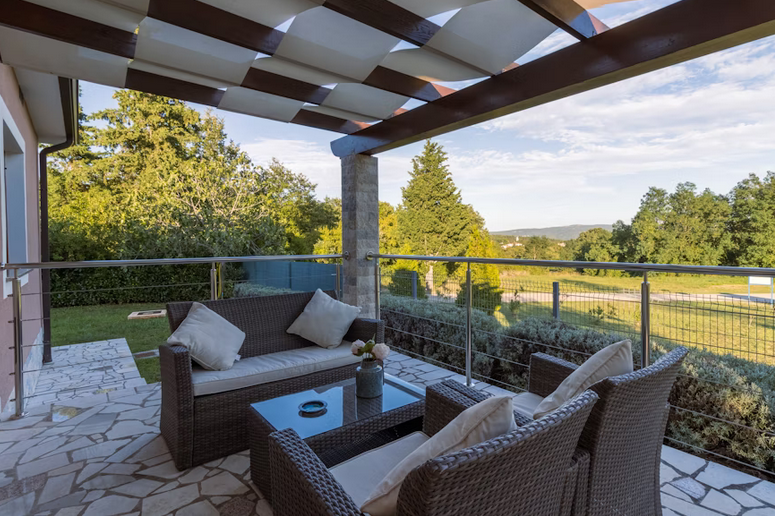
cover

Let’s talk shade. Because the San Diego sun is no joke. One of the best investments you can make is a solid patio cover. They’re not just about staying cool. A well-placed cover gives you an actual room outdoors. Somewhere to sip your morning coffee without squinting. Somewhere to sit during a surprise drizzle without bolting inside. Aluminum frames are easy to maintain. Fabric options give a softer vibe. There’s something for every budget. Just don’t go for something flimsy. You’ll regret it the minute it catches wind and turns into a backyard kite.

Plant Specific Plants

Skip the random plant haul from the weekend nursery trip. Instead, work with your space. Think about how much sun you get, how much you’re willing to water, and how often you’ll really trim things. Drought-tolerant plants like succulents, agave, and lavender look good year-round and don’t beg for attention. Group them by height and color to keep the setup feeling planned, not accidental. And if you don’t want to spend weekends pruning like some gardening monk, hire someone local. They’ll know what actually grows here and what’s going to turn into a withered stick by August.

Use Furniture That Can Take a Hit

Let’s be honest, outdoor furniture lives a hard life. Between sun, rain, and accidental spills, it needs to be durable more than trendy. Think weatherproof, easy to wipe down, and preferably something that won’t collapse when your cousin plops down a little too enthusiastically. You can always swap out cushions for color updates, but the frame should last longer than a summer fling.

Your backyard doesn’t need to look like a magazine spread. It just needs to feel like somewhere you actually want to spend time. Start with shade, seating, and a few plants that won’t die in a week. Make it a space that feels like part of your home. And if you’re stuck, call a pro who knows the lay of the land.


Related Post

design

Building Dream Homes: Recognizing the Signs of a Compatible ArchitectBuilding Dream Homes: Recognizing the Signs of a Compatible Architect

Welcome to our blog, where we are about to embark on an exciting journey of building dream homes. When it comes to bringing your vision to life, finding the perfect architect is crucial. After all, they are the masterminds behind turning your dreams into reality. But with so many talented professionals out there, how can you recognize signs that make an architect truly compatible with your aspirations?

In this post, we will dive deep into unveiling the key indicators that make for a harmonious partnership between you and your architect. So buckle up and get ready; we’re about to unveil the secrets of recognizing a compatible architect who will help bring your dream home from concept to completion.

Clear Understanding of Your Vision

portfolio

One of the first indicators that an architect is well-suited for your home project is their ability to grasp and articulate your vision. During initial consultations, a proficient architect will actively listen to your ideas, ask insightful questions, and demonstrate an understanding of your aesthetic preferences and functional requirements. This clear communication lays the foundation for a collaborative and successful partnership.

Proven Portfolio of Similar Projects

Reviewing an architect’s portfolio is a crucial step in evaluating their suitability for your home project. Look for a diverse range of completed projects, especially those similar in scope and style to what you envision for your home. A seasoned architect will showcase a portfolio that reflects versatility and a successful track record in translating clients’ visions into tangible, well-executed designs. For example, if you intend to construct a prefabricated home, look for a portfolio that includes such projects; visit the AZ München site to learn more.

Strong Design Aesthetic

An architect’s design aesthetic plays a pivotal role in the overall outcome of your home project. Assess their previous work to determine if their style aligns with your preferences. Skilled architects should be able to adapt their design sensibilities to suit a variety of client tastes while maintaining a cohesive and thoughtful approach to each project.

Effective Communication Skills

Effective communication is paramount in any collaborative effort, and the relationship between an architect and client is no exception. A proficient architect will not only be a good listener but also possess the ability to convey complex design concepts in a clear and accessible manner. Look for an architect who can articulate their ideas, respond promptly to inquiries, and foster open communication throughout the project.

Attention to Budgetary Constraints

A successful home project requires a delicate balance between creativity and financial prudence. An architect who demonstrates an awareness of your budgetary constraints and can work within those parameters without compromising the quality of the design is a valuable asset. This financial mindfulness ensures that the project stays on track and meets both aesthetic and financial expectations.

Thorough Knowledge of Local Building Codes

designs

Navigating the complexities of local building codes and regulations is a critical aspect of any home project. A competent architect will possess a thorough understanding of these regulations and ensure that your project adheres to all requirements. This knowledge not only streamlines the approval process but also minimizes potential setbacks and ensures the safety and compliance of your home design.

In conclusion, choosing the right architect for your home project requires a careful evaluation of their understanding of your vision, experience, design aesthetic, communication skills, budgetary awareness, knowledge of local regulations, and ability to collaborate effectively. By recognizing these signs, you can make an informed decision that sets the stage for a successful and satisfying home project. Remember, the right architect is not just a designer but a collaborative partner in turning your dreams into a tangible, well-crafted reality.

Home
constructing

Construction Innovations: The Materials Shaping Tomorrow’s BuildingsConstruction Innovations: The Materials Shaping Tomorrow’s Buildings

Today, construction materials are not just bricks and mortar, but innovative wonders that shape the buildings of tomorrow. With these materials, half-timbered houses can remain in pristine condition for years ahead, just like mentioned in WZ. From self-healing concrete to 3D-printed building materials, advancements in construction tech are revolutionizing how we design, build, and inhabit our structures. Today, let’s talk about these exciting and groundbreaking materials that are reshaping the future of construction.

Aerogel Insulation

This innovative material is changing the way we think about keeping our homes and offices comfortable. So, what exactly is aerogel? It’s a lightweight substance that is derived from gel but has been stripped of its liquid component. What remains is an incredibly porous structure composed mostly of air. This unique composition gives aerogel its impressive insulation properties.

One of the most remarkable aspects of aerogel insulation is its ability to drastically reduce heat transfer. Its high thermal resistance makes it ideal for keeping buildings warm in winter and conveniently cool in summer. In fact, aerogel can provide up to four times better insulation than traditional materials like fiberglass. Furthermore, aerogels are not only great at insulating against temperature changes but also at blocking sound transmission. Their porous nature helps absorb sound waves, making them perfect for reducing noise pollution in busy urban areas or loud industrial settings.

building

Self-Healing Concrete

Self-healing concrete incorporates tiny capsules filled with healing agents into its mixture. When cracks form due to external factors or natural wear and tear, these capsules rupture and release the healing agents into the damaged areas. The agents then react chemically with the surrounding materials, effectively repairing the cracks from within. This innovative technology not only increases the lifespan of concrete structures but also reduces maintenance costs and improves safety. By preventing water infiltration through cracked surfaces, self-healing concrete helps mitigate further damage caused by corrosion of reinforcement bars.

3D Printed Building Materials

With 3D printing, architects and engineers can create intricate designs and shapes that were once thought impossible. The process involves layering materials on top of each other, creating a solid structure from bottom to top. This eliminates the need for traditional construction methods like bricklaying or pouring concrete. Not only does 3D printing offer new design possibilities, but it also has several practical advantages. For one, it reduces waste since only the necessary amount of material is used. It also speeds up construction time significantly as large-scale structures can be printed in a small fraction of the time in comparison to using traditional methods.

Bamboo Engineered Products

Bamboo, with its incredible strength and versatility, is being hailed as the future of sustainable building materials. Engineers and architects are exploring innovative ways to use bamboo in construction projects, creating a new generation of engineered products that are not only eco-friendly but also highly durable. The best example of bamboo engineering would be the development of bamboo laminated beams. By layering thin strips of bamboo together and bonding them with adhesives, these beams can be used to create strong structural elements for buildings. Their flexibility allows for creative designs while maintaining structural integrity.

Innovation is the driving force behind progress, and the construction industry is no exception. As society continues to evolve, so do our needs and expectations for buildings that are not only functional but also sustainable, resilient, and aesthetically pleasing. The materials highlighted in this article represent just a glimpse into the future of construction.

Home
broken sink

Tips to Hire the Best Plumber for Your HomeTips to Hire the Best Plumber for Your Home

Make sure the problem is solved for you before it becomes a problem. Regardless of whether you have a broken toilet or pipe, we suggest you hire a plumber. In some country hiring plumber can be serious matter, for instance in Autralia Sydney plumber is pretty much difficult to hire the right one. You might want to consider whether you are likely to hire a plumber the first time you come to your house.

sink

Licensed

First, make sure the license is granted. That should be your first consideration. You can do a Google search to find out whether or not there is a licensed plumber. This way, you can find out if the plumber has bad or good ratings. If a plumber do not have a lot experiences, you should not work with him/her. Ask around could be important to find a good plumber. Word of mouth is one approach to creating choice, although nowadays, a fantastic number of people buy online. You could ask about the plumber. For example, if your neighbour is renovating his house, you could ask for a plumber.

Suitability

toilet

Make sure the plumber is a good match. The reason is that a plumbing company has rules to follow. Don’t forget to ask a few questions until you choose a plumber. These questions should cover your expenses, the time it takes to complete the job, and the cost of liability insurance, to name a few. Confirm the special plumbers before you choose, it’s much better if you have decided the match plumber for your home. You may want to use contact suppliers and their orders, which are different. Make a phone call, and maybe meet in person. This will give you an idea of their expertise, suitability, and supplier value. However, you need to consider about the guarantee. Find out if the installer offers a warranty. It is extremely important to get the job done.

Consult Other Experts

When you live in the city, you can discover something. If you live in a city or a country, you can’t. You can consult with technicians and experts in similar cases in your city. The experience of your plumber, as a general principle, it should be seasoned. Skills are important, and that is what you need to find. It’s not difficult to find out if the plumber is an expert. All you have to do is check the plumber’s website. In short, if you are in the process of repair or maintenance. We advise you to stick to the ideas you were given when you rented the pipes.

Home