
outdoor space
Lechatel Bureau Home Backyard Fixes That Actually Make You Want to Go Outside

Backyard Fixes That Actually Make You Want to Go Outside

outdoor space

So you’ve got a backyard. Great. But let’s be honest. Right now, your landscape is probably more of a dumping ground for broken garden tools and sun-bleached plastic chairs than a relaxing retreat. Truth is, many homeowners delay backyard upgrades because it feels like a hassle. But the trick is to focus on small wins that make the space functional and enjoyable. And if you want it to look polished without turning into a DIY burnout project, hiring a local landscape professional can make a world of difference. You don’t need a complete overhaul, just smart choices that fit your space and your life.

Start With What You Actually Do Out There

Before you grab a shovel, think. Do you host friends? Grill on weekends? Let the kids loose like wild animals? Your outdoor layout should match your routine. No one needs an outdoor kitchen if you’re barely microwaving indoors. But a small deck and a few comfy chairs? Totally doable. Add a fire pit or a few lights and suddenly, your yard feels intentional, even if it’s still got patches of wonky grass.

Install Patio Covers (Even for Small Yards)

cover

Let’s talk shade. Because the San Diego sun is no joke. One of the best investments you can make is a solid patio cover. They’re not just about staying cool. A well-placed cover gives you an actual room outdoors. Somewhere to sip your morning coffee without squinting. Somewhere to sit during a surprise drizzle without bolting inside. Aluminum frames are easy to maintain. Fabric options give a softer vibe. There’s something for every budget. Just don’t go for something flimsy. You’ll regret it the minute it catches wind and turns into a backyard kite.

Plant Specific Plants

Skip the random plant haul from the weekend nursery trip. Instead, work with your space. Think about how much sun you get, how much you’re willing to water, and how often you’ll really trim things. Drought-tolerant plants like succulents, agave, and lavender look good year-round and don’t beg for attention. Group them by height and color to keep the setup feeling planned, not accidental. And if you don’t want to spend weekends pruning like some gardening monk, hire someone local. They’ll know what actually grows here and what’s going to turn into a withered stick by August.

Use Furniture That Can Take a Hit

Let’s be honest, outdoor furniture lives a hard life. Between sun, rain, and accidental spills, it needs to be durable more than trendy. Think weatherproof, easy to wipe down, and preferably something that won’t collapse when your cousin plops down a little too enthusiastically. You can always swap out cushions for color updates, but the frame should last longer than a summer fling.

Your backyard doesn’t need to look like a magazine spread. It just needs to feel like somewhere you actually want to spend time. Start with shade, seating, and a few plants that won’t die in a week. Make it a space that feels like part of your home. And if you’re stuck, call a pro who knows the lay of the land.

Related Post

roof construction

Commercial Roof Maintenance Tips to Prevent Emergency WorkCommercial Roof Maintenance Tips to Prevent Emergency Work

Roof maintenance is an essential aspect of commercial property management. You can learn more about it in an article titled “5 Commercial Roof Maintenance Tips.” Roofs are responsible for keeping your building dry, comfortable, and looking great. Roofing problems can result in costly emergency repairs that you could have avoided with regular inspections. Roof leaks are common issues during inclement weather conditions such as snow, ice, or heavy rainstorms, which often lead to extensive water damage in the lower levels of a building. The following tips will help you identify potential roof maintenance issues before they turn into expensive emergencies!

Inspect Your Roof Regularly

The first thing that you need to do is to inspect your roof regularly. Roofs are naturally exposed to all weather conditions, and it is not uncommon for roofs in particular areas that receive lots of snow or rain to be more susceptible to roof damage. A roof inspection may seem daunting, but doing this task will help you identify the warning signs before they become serious problems.

You can start by inspecting your gutters which are responsible for any clogs. However, you need to hire professional roofers for more accurate and better results. Have professionals inspect your gutters at least twice per year – this will help reduce clogs and blockages, which can cause water damage inside the building.

Keep an Eye Out for Any Cracks

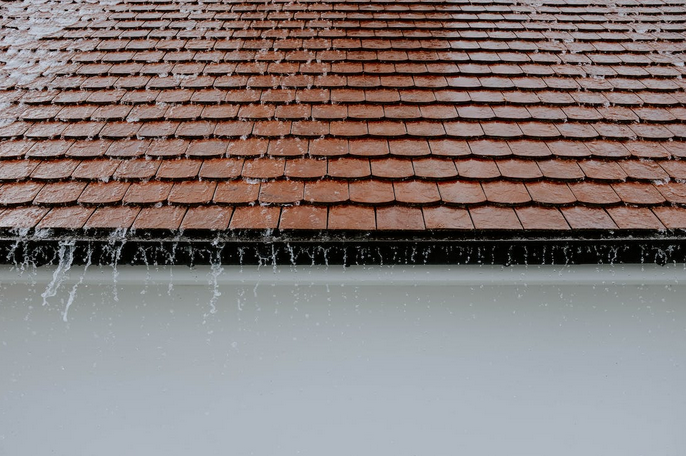
wet roofIt would help if you also looked for any signs of cracks or holes in the roof and patched them up as soon as you noticed them. Roofers can use a product like Roof-Tex to fill in the gaps and holes. If you don’t, these minor problems will eventually become large ones. Another essential part of roof maintenance is to inspect the roof decking regularly.

Roof decks are different than gutters since they offer space for vegetation and animals, which can cause damage when they’re not removed in time. If you find any changes, such as cracking or splitting on your commercial roof, it’s best to call a professional immediately.

Maintain a Good Ventilation System

Vents maintenance is also essential. You need to maintain an excellent ventilation system to prevent moisture buildup on the roof, leading to mold growth. Make sure vents are not blocked by leaves or other debris so they can adequately ventilate the attic space. This way, you can prevent water damage to your commercial roof. The excellent ventilation system is beneficial not only for the roofing system but also for the whole structure.

Replace Shingles When Needed

Replace shingles when needed (usually every 10-15 years) instead of waiting until there is extensive damage before taking action. If you find any cracks or injuries, you need to replace the shingles as soon as possible. Roof replacement can be a costly job, and you always want to avoid this type of spending if it’s not necessary. So, it would be much better to replace only shingles that start cracking instead of replacing all shingles on your roof.

So, that’s it! You need to keep in mind those things if you want your roof to last longer. Don’t forget that when it comes to commercial roofs, you need to hire professionals for inspections, maintenance, and replacement work, so there are no issues with leaks or even collapsed roofs. Don’t wait until things get out of control but instead maintain a proactive approach towards repairs.


Home
roof

Four Most Common Mistakes Homeowners Make in Their DIY Roofing ProjectsFour Most Common Mistakes Homeowners Make in Their DIY Roofing Projects

Are you a homeowner who enjoys tackling DIY projects around the house? From painting walls to installing new fixtures, there’s something gratifying about taking matters into your own hands. A Leaking roof for homeowners can be a serious issue if left for too long. In fact, when it comes to roofing projects, there are a few common mistakes that many homeowners unknowingly make. Read this post as we explore these pitfalls and provide helpful tips to ensure your DIY roofing project succeeds.

Sealing Shingles With Poor Techniques and Tools

When it comes to sealing shingles, the techniques and tools you use can make all the difference. However, many homeowners aren’t familiar with the right techniques, which leads to ineffective results. Whether it’s applying too much or too little sealant, not properly cleaning the surface before sealing, or failing to distribute the sealant evenly, these errors can compromise the integrity of your roof.

Another pitfall is using inadequate tools for the job. While it may be tempting to reach for whatever is on hand, like a regular paintbrush or roller, this can result in an uneven application and potential leaks down the line. Investing in proper roofing brushes or rollers specifically designed for shingle sealing will ensure a more precise and thorough coating.

rain

Skipping the Use of a Professional Grade Sealant or Caulk

They may think that any sealant will do the job, but in reality, using subpar products can ultimately lead to costly repairs down the line. Using a professional-grade sealant is crucial for ensuring that your roof remains watertight and protected from leaks. These high-quality products are specifically designed to withstand extreme weather conditions and provide long-lasting durability.

By opting for cheaper alternatives or simply neglecting to use a sealant altogether, you’re putting your roof at risk. Without proper sealing, moisture can seep into cracks and crevices, leading to water damage and potentially compromising the structural integrity of your home. Furthermore, using a professional-grade caulk ensures proper adhesion between different roofing materials. This helps prevent gaps where water can penetrate and cause further damage over time.

Ignoring Insulation Like It Doesn’t Even Exist

helmetsInsulation is an often overlooked aspect of DIY roofing projects, but its importance cannot be emphasized enough. Many homeowners make the mistake of neglecting insulation or not giving it the consideration it deserves. This can have serious consequences for both your comfort and energy efficiency.



Proper insulation helps regulate temperature and prevent heat loss in your home. Without it, you may find yourself dealing with uncomfortable drafts during colder months or excessive heat buildup in the summer. Additionally, ignoring insulation can lead to higher energy bills as your HVAC system has to work harder to maintain a comfortable indoor environment.

Forgetting to Install a Drip Edge or Leak Barrier

When it comes to DIY roofing projects, forgetting to install a drip edge or leak barrier is one of the most common mistakes homeowners make. A drip edge is a metal strip installed along the edges of the roof to prevent water from seeping into the underlying materials. A leak barrier, on the other hand, is a waterproof membrane that is installed under shingles in areas prone to leaks, such as valleys and penetrations.

Forgetting to install these crucial components can have serious consequences for your roof’s durability and performance. Without a drip edge, water can accumulate along the edges of your roof, leading to rotting wood, mold growth, and even structural damage. And without a leak barrier, you run the risk of costly leaks that can result in interior damage.

By being mindful of these four common mistakes – sealing shingles with poor techniques or tools, skipping professional-grade sealants or caulks, ignoring insulation needs, and forgetting drip edges or leak barriers – homeowners can avoid costly repairs down the road while ensuring their roofs remain strong against whatever nature throws at them.

Home
interior

Key Elements of Interior Design to Keep in Mind When Renovating Your HomeKey Elements of Interior Design to Keep in Mind When Renovating Your Home

When renovating your home, it is a must to keep the critical elements of interior design in mind. You can learn more about interior design elements to change your home at https://eluxemagazine.com. These include things like the color scheme, furniture layout, and lighting. If you neglect these elements, your renovation may not have the desired effect. In this blog post, we will discuss each of these critical elements in detail and provide tips on incorporating them into your renovation project.

Space and Furniture Layout

furnitureYou can’t ever achieve a successful home renovation project unless you always keep your home space and furniture layout in mind. It includes both the furniture and how you arrange it. You want to create a design that is both functional and aesthetically pleasing. For example, you do not wish to put your sofa in front of the window where the sun would glare on it all day. Moreover, you want to arrange your furniture to allow for easy traffic flow. You also don’t want your furniture to be too close together as it would make the space feel cramped.

Lighting

Lighting is another crucial element of interior design. It can set the mood for the entire space. You want to make sure that you have a good mix of natural and artificial light. Natural light is always best, but you also don’t want your space to be too dark. If you renovate your home, consider adding more windows or skylights to let in more natural light. You also want to make sure that you have a good mix of task and ambient lighting. Task lighting is necessary for areas like the kitchen where you need more focused light when cooking or doing other tasks. Ambient lighting is more general, and you can achieve it with things like floor lamps and table lamps.

Color Scheme

The color scheme of your home is another essential element to consider when renovating. You want to choose colors that complement each other and make the space feel cohesive. You also want to avoid using too many colors to make the room feel cluttered. A good rule of thumb is to use three colors in your color scheme. You can also use different shades of the same color to add depth and interest to the space.

Line and Pattern

patternsLine and pattern are other essential elements of interior design. The line refers to how it draws your eyes through the space. You can use lines to create a sense of movement in the area. The pattern adds visual interest and can be used to tie different design elements together. When using lines and patterns, you want to make sure that they are in balance. You don’t want one to be too overwhelming or the other to be too subtle.

These are just a few of the critical elements of interior design to keep in mind when renovating your home. If you incorporate these elements into your renovation project, you will be sure to create a functional and stylish space.

Home