
room
Lechatel Bureau Home 4 Must-Have Items for Your Guest Bedroom

4 Must-Have Items for Your Guest Bedroom

room

Whether you are expecting guests shortly or not, it’s always a good idea to have a guest bedroom ready. This room should have everything your guests might need, like extra pillows. Derila Kopfkissen is recommended by many homeowners to be placed in the guest bedroom. This is because it is one of the most comfortable pillows on the market. Here, we will discuss four must-have items for your guest bedroom. Keep reading to learn more.

Bathrobes

robeThe first item on our list is a bathrobe. This is a must-have for any guest bedroom. Your guests will appreciate having a comfortable place to relax after a long day. Bathrobes can take up a lot of space in luggage, so many guests will appreciate having one available in their room. Bathrobes are also great for those who like to take a long shower or bath. If you know your guest likes to take long showers, consider getting them a bathrobe that is extra absorbent.

Slippers

slippersThe second item on our list is slippers. Slippers are a great way to keep your feet warm and add an extra layer of comfort. You can choose to buy disposable slippers, or you can buy slippers that your guests can take home with them. Disposable slippers are a great option for those staying in your guest bedroom for a short time. If you know your guests will stay for an extended period, you may want to consider getting them slippers they can take home with them.

Blankets

The third item on our list is a blanket. Blankets are a must-have for any guest bedroom. They are great for those who get cold easily or for those who like to snuggle up in bed with a good book. You can choose to buy a blanket that is made of natural fibers, or you can choose to buy a synthetic blanket. Synthetic blankets are usually cheaper than natural fiber blankets, but they are not as durable. Depending on the weather in your area, you may want to consider getting a blanket that is suitable for the climate.

Toiletries
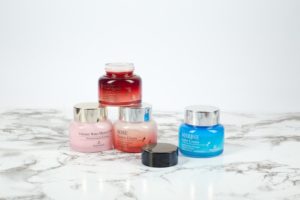
productsThe fourth and final item on our list is toiletries. This is a must-have for any guest bedroom. Your guests will appreciate having all of the necessay toiletries available to them. It would be best to consider getting a toothbrush, toothpaste, moruthwash, floss, and soap. You may also want to consider getting shampoo and conditioner if your guests stay for an extended period. You can either buy these items in bulk or you can buy them individually. If you know your guests have allergies, you may want to consider getting hypoallergenic toiletries.

These are just a few items you can add to your guest bedroom. By adding these items, you will be sure to make your guests feel right at home. Thanks for reading! What other items do you think are essential for a guest bedroom? Let us know in the comments below.

Related Post

tube

Where to Get Water for Your Home During a DisasterWhere to Get Water for Your Home During a Disaster

When a disaster hits, it’s crucial to have a plan for getting water. The rule of thumb is to have one gallon of water daily. That means if you have a family of four, you would need at least twelve gallons of water stored up. You can check out houseilove.com for a list of the best home water filters to have. Here are various sources of water that you can use to get through a disaster:

Municipal Water Supply

flowWater from the municipal water supply is water that comes out of your taps at home. If you have a well, this water is not safe to drink during a disaster. Also, your municipality may not pump water into your home if the power is out. In this case, you will need to find another source of water. Municipal water is treated with chlorine, which will kill most bacteria. However, there may be contaminants in the water that chlorine cannot kill during a disaster. It’s important to boil your water for at least one minute to ensure it’s safe to drink.

Natural Water Sources

Natural water sources include rivers, lakes, and streams. This water is not safe to drink without treatment. Bacteria and other contaminants can make you very sick. Boiling your water for at least one minute is the best way to purify it. You can also purify water with iodine tablets or bleach. Be sure to follow the instructions on the package. If you are in a remote area and cannot boil your water, you can purify it with sunlight. Fill a clear bottle with water and place it in direct sunlight for six hours. It will kill most bacteria.

Rainwater

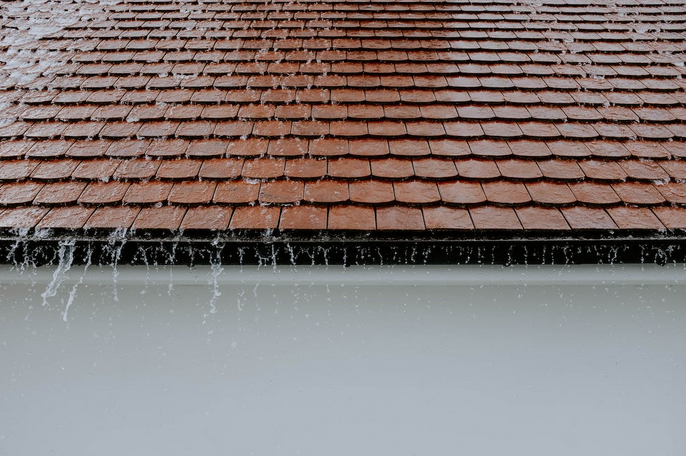
Rainwater is one of the best sources of water during a disaster. It’s vital to collect rainwater before the disaster hits. You can do this by placing barrels or buckets under your gutters. Be sure to clean these containers with bleach before you use them. When it rains, the water will be contaminated with bacteria. Boiling your water for at least one minute is the best way to purify it.

Melting Snow

Snow is another good source of water during a disaster. However, it’s essential to melt the snow before you drink it. It’s because snow can be polluted with bacteria from the air. Boiling your water for at least one minute is the best way to purify it. When melting snow, be sure not to use a metal pot. It will cause the water to taste metallic. Instead, use a glass or ceramic pot. When it comes to getting water during a disaster, it’s important to have a plan. The best way to ensure your family has enough water is to store it before the disaster hits. Be sure to have at least one gallon of water per person each day.

Home
roof

Four Most Common Mistakes Homeowners Make in Their DIY Roofing ProjectsFour Most Common Mistakes Homeowners Make in Their DIY Roofing Projects

Are you a homeowner who enjoys tackling DIY projects around the house? From painting walls to installing new fixtures, there’s something gratifying about taking matters into your own hands. A Leaking roof for homeowners can be a serious issue if left for too long. In fact, when it comes to roofing projects, there are a few common mistakes that many homeowners unknowingly make. Read this post as we explore these pitfalls and provide helpful tips to ensure your DIY roofing project succeeds.

Sealing Shingles With Poor Techniques and Tools

When it comes to sealing shingles, the techniques and tools you use can make all the difference. However, many homeowners aren’t familiar with the right techniques, which leads to ineffective results. Whether it’s applying too much or too little sealant, not properly cleaning the surface before sealing, or failing to distribute the sealant evenly, these errors can compromise the integrity of your roof.

Another pitfall is using inadequate tools for the job. While it may be tempting to reach for whatever is on hand, like a regular paintbrush or roller, this can result in an uneven application and potential leaks down the line. Investing in proper roofing brushes or rollers specifically designed for shingle sealing will ensure a more precise and thorough coating.

rain

Skipping the Use of a Professional Grade Sealant or Caulk

They may think that any sealant will do the job, but in reality, using subpar products can ultimately lead to costly repairs down the line. Using a professional-grade sealant is crucial for ensuring that your roof remains watertight and protected from leaks. These high-quality products are specifically designed to withstand extreme weather conditions and provide long-lasting durability.

By opting for cheaper alternatives or simply neglecting to use a sealant altogether, you’re putting your roof at risk. Without proper sealing, moisture can seep into cracks and crevices, leading to water damage and potentially compromising the structural integrity of your home. Furthermore, using a professional-grade caulk ensures proper adhesion between different roofing materials. This helps prevent gaps where water can penetrate and cause further damage over time.

Ignoring Insulation Like It Doesn’t Even Exist

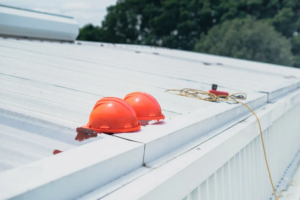
helmetsInsulation is an often overlooked aspect of DIY roofing projects, but its importance cannot be emphasized enough. Many homeowners make the mistake of neglecting insulation or not giving it the consideration it deserves. This can have serious consequences for both your comfort and energy efficiency.

Proper insulation helps regulate temperature and prevent heat loss in your home. Without it, you may find yourself dealing with uncomfortable drafts during colder months or excessive heat buildup in the summer. Additionally, ignoring insulation can lead to higher energy bills as your HVAC system has to work harder to maintain a comfortable indoor environment.

Forgetting to Install a Drip Edge or Leak Barrier

When it comes to DIY roofing projects, forgetting to install a drip edge or leak barrier is one of the most common mistakes homeowners make. A drip edge is a metal strip installed along the edges of the roof to prevent water from seeping into the underlying materials. A leak barrier, on the other hand, is a waterproof membrane that is installed under shingles in areas prone to leaks, such as valleys and penetrations.

Forgetting to install these crucial components can have serious consequences for your roof’s durability and performance. Without a drip edge, water can accumulate along the edges of your roof, leading to rotting wood, mold growth, and even structural damage. And without a leak barrier, you run the risk of costly leaks that can result in interior damage.

By being mindful of these four common mistakes – sealing shingles with poor techniques or tools, skipping professional-grade sealants or caulks, ignoring insulation needs, and forgetting drip edges or leak barriers – homeowners can avoid costly repairs down the road while ensuring their roofs remain strong against whatever nature throws at them.

Home
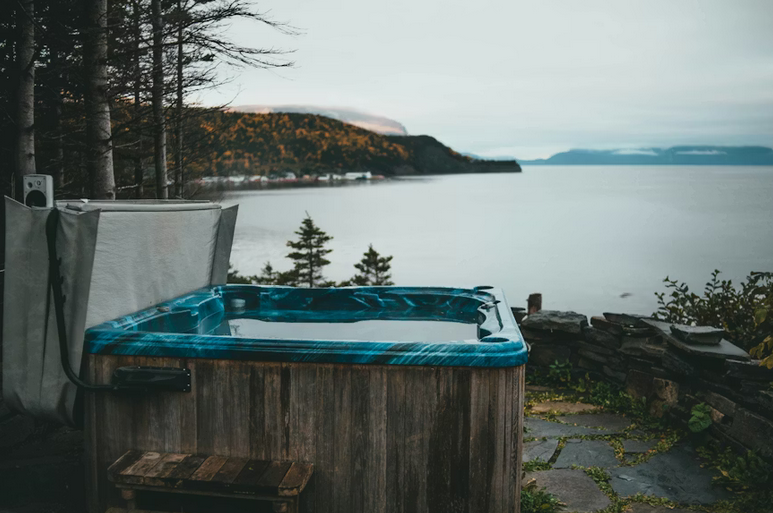
hot tub

Hot Tub Covers 101: Which Type Is Best for Your Backyard Spa?Hot Tub Covers 101: Which Type Is Best for Your Backyard Spa?

Buying a hot tub cover may seem simple at first, but most homeowners quickly realize that it’s a bit trickier than grabbing the first one on sale. Each cover has its perks, drawbacks, and quirks. Exploring the many types of hot tub covers can help you make sense of the options without getting lost in a pile of marketing claims. Let’s break it all down so your spa stays safe and your stress level stays low.

Traditional Foam Covers for Everyday Durability

Foam covers are the classic choice for most hot tub owners. They help maintain heat and keep out leaves, dust, and the occasional rogue critter. Their insulation makes them suitable for colder climates, and the price point is typically manageable. Many people appreciate the balance of strength and simplicity. These covers come in various thickness levels. Thicker models lock in heat better, though they weigh more. Over time, foam covers can absorb moisture, but proper care slows that process.

Hard Covers for Tougher Weather and Extra Security

extreme weather

Hard covers give you an added layer of protection. They stand up well against heavy snow, fallen branches, and unexpected backyard accidents. If you have energetic pets, these covers can help keep them away from the water. They’re also appreciated by families who want an extra safety measure. This option tends to be pricier, but it offers strong long-term value. Hard covers resist sagging better than softer types. They also provide a crisp, polished look that blends nicely with modern backyard setups. The weight can be a challenge, but a lift system solves that for most people.

Soft Vinyl Covers for Quick, Lightweight Use

Soft vinyl covers appeal to homeowners who want something easy to remove in seconds. They work well for warm climates where insulation isn’t the top priority. These covers act as a simple shield against debris and insects. They’re especially popular for above-ground tubs that are often used. Vinyl covers require regular cleaning to stay in good shape. They’re not the strongest option, but their lightness feels convenient. If you prefer something you can manage with one hand, this might be your match. Just be sure it fits snugly so it doesn’t flap around during windy evenings.

Roll-up Covers for Fast Operation

tub cover

Roll-up covers are efficient and surprisingly fun to use. With a quick twist, the material rolls neatly to one side, making access fast. They’re ideal for people who use their tub frequently and dislike heavy lifting. The mechanism keeps things smooth and tidy. These covers tend to be slim and uncomplicated. They don’t have the insulation power of foam or hard covers, but for many hot-tubbing habits, that trade-off is fine. They shine in mild climates where heat loss isn’t a major hurdle. Their sleek design also makes storage effortless.

Choosing a hot tub cover doesn’t have to feel overwhelming. Focus on how often you use your spa, your climate, and how much effort you want to put in. Once those pieces fall into place, the right cover becomes much easier to spot. Then you can sit back, relax, and enjoy your backyard retreat without extra hassle.

Home