roof
Lechatel Bureau Home Comparing Rubber Roofing to Traditional Roofing Materials: What You Need to Know

Comparing Rubber Roofing to Traditional Roofing Materials: What You Need to Know

roof

Choosing the suitable roofing material for your home can feel overwhelming with so many options available. While traditional choices like asphalt shingles, metal, and tiles are common, rubber roofing has emerged as a popular alternative with unique advantages. If you’re trying to decide between rubber roofing and more conventional materials, this guide from the best residential roofing company will help you weigh the pros and cons to make an informed decision.

Understanding Rubber Roofing

Rubber roofing, often made from a synthetic material called EPDM (ethylene propylene diene terpolymer), is a durable, flexible, and weather-resistant option. It’s typically available in rolls or sheets, which makes it ideal for flat or low-sloped roofs. Rubber roofing has been used in commercial buildings for years but is becoming increasingly popular in residential settings.

Traditional Roofing Materials
shingles

Let’s briefly touch on some of the traditional roofing materials:

  • Asphalt Shingles: The most common roofing material, asphalt shingles are affordable, easy to install, and come in various colors and styles.
  • Metal Roofing: Known for its longevity and durability, metal roofing is resistant to extreme weather and is often made from aluminum, steel, or copper.
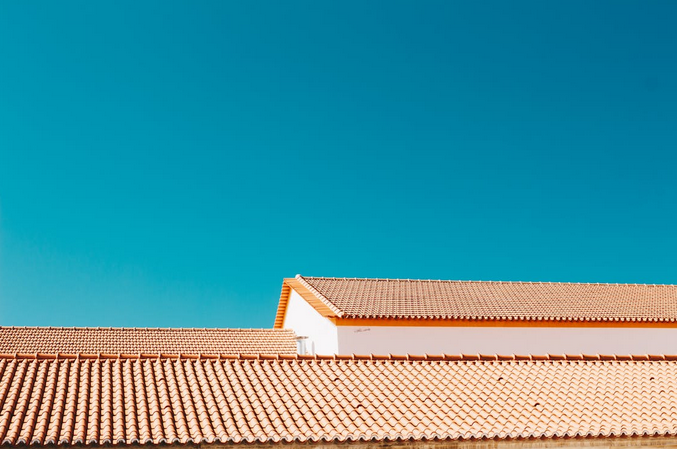
  • Clay or Concrete Tiles: These heavy-duty tiles are incredibly durable and offer a distinct aesthetic, often associated with Mediterranean or Southwestern-style homes.
  • Wood Shingles or Shakes: Made from cedar, redwood, or other types of wood, these shingles offer a natural look but require more maintenance to prevent issues like rot or insect damage.

Durability: How Does Rubber Roofing Compare?

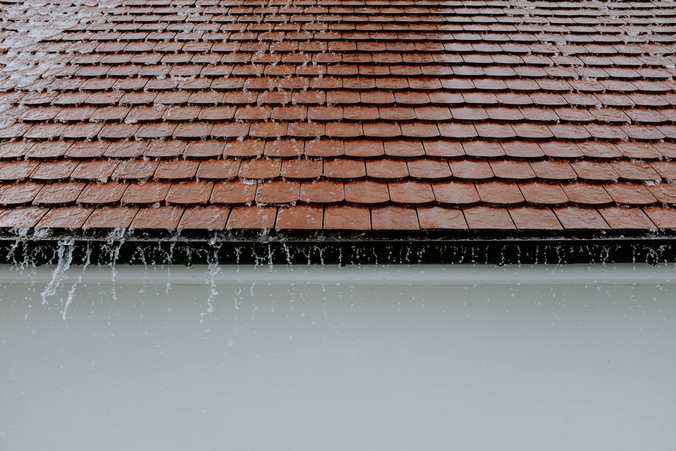
Durability is a key factor when choosing a roofing material. Rubber roofing is highly durable, with a lifespan of 30 to 50 years when properly maintained. It’s resistant to extreme weather conditions, including heavy rain, snow, and UV rays, making it an excellent choice for areas with diverse climates.

In comparison:

  • Asphalt Shingles typically last 15 to 30 years. However, they can be damaged by high winds and may need more frequent repairs.
  • Metal Roofing offers excellent durability and a lifespan of 40 to 70 years. It’s resistant to fire, rot, and insect damage but can be noisy during heavy rain or hailstorms.
  • Clay or Concrete Tiles are highly durable and have a lifespan of 50 to 100 years. However, they are heavy and may require additional structural support.
  • Wood Shingles or Shakes: Generally last 20 to 40 years but require regular maintenance to protect against moisture and pests.
durable

Cost Considerations

Cost is another critical aspect to consider. Rubber roofing is generally more expensive than asphalt shingles but less costly than metal or tile roofing. The initial investment may be higher, but the long-term savings from reduced maintenance and repairs can make rubber roofing a cost-effective option.

Here’s a general comparison:

  • Asphalt Shingles: $3.50 to $5.50 per square foot installed.
  • Rubber Roofing: $6.00 to $10.00 per square foot installed.
  • Metal Roofing: $7.00 to $12.00 per square foot installed.
  • Clay or Concrete Tiles: $10.00 to $20.00 per square foot installed.
  • Wood Shingles or Shakes: $6.50 to $11.00 per square foot installed.

Environmental Impact

For those concerned about sustainability, rubber roofing stands out as an eco-friendly choice. Most rubber roofing is made from recycled materials. At the end of its lifespan, it can be recycled again. It also offers excellent insulation properties, which can help reduce energy consumption in your home.

In comparison:

  • Asphalt Shingles: Not exceptionally eco-friendly. They’re petroleum-based and difficult to recycle, contributing to landfill waste.
  • Metal Roofing: Highly recyclable and energy-efficient, making it a good option for eco-conscious homeowners.
  • Clay or Concrete Tiles: Made from natural materials and can be recycled, their production process is energy-intensive.
  • Wood Shingles or Shakes: These are renewable resources, but the treatment process to make them weather-resistant can involve chemicals.

Choosing the right roofing material depends on your specific needs, budget, and aesthetic preferences. Rubber roofing offers excellent durability, energy efficiency, and environmental benefits, making it a strong contender for many homeowners. However, traditional materials like asphalt shingles, metal, and clay tiles have unique advantages.
Related Post

outdoor space

Backyard Fixes That Actually Make You Want to Go OutsideBackyard Fixes That Actually Make You Want to Go Outside

So you’ve got a backyard. Great. But let’s be honest. Right now, your landscape is probably more of a dumping ground for broken garden tools and sun-bleached plastic chairs than a relaxing retreat. Truth is, many homeowners delay backyard upgrades because it feels like a hassle. But the trick is to focus on small wins that make the space functional and enjoyable. And if you want it to look polished without turning into a DIY burnout project, hiring a local landscape professional can make a world of difference. You don’t need a complete overhaul, just smart choices that fit your space and your life.

Start With What You Actually Do Out There

Before you grab a shovel, think. Do you host friends? Grill on weekends? Let the kids loose like wild animals? Your outdoor layout should match your routine. No one needs an outdoor kitchen if you’re barely microwaving indoors. But a small deck and a few comfy chairs? Totally doable. Add a fire pit or a few lights and suddenly, your yard feels intentional, even if it’s still got patches of wonky grass.

Install Patio Covers (Even for Small Yards)

cover

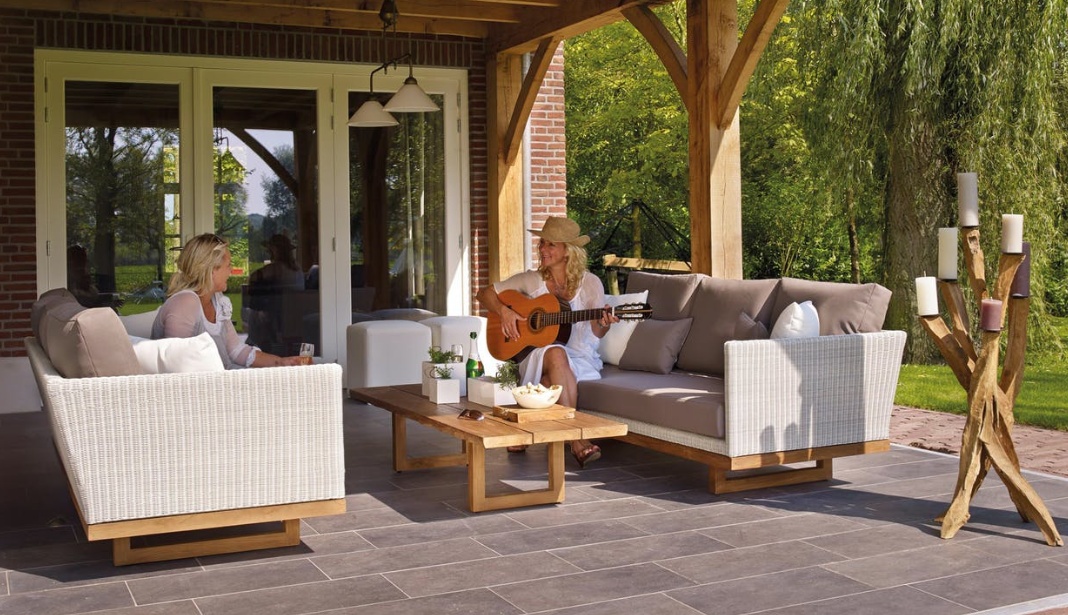
Let’s talk shade. Because the San Diego sun is no joke. One of the best investments you can make is a solid patio cover. They’re not just about staying cool. A well-placed cover gives you an actual room outdoors. Somewhere to sip your morning coffee without squinting. Somewhere to sit during a surprise drizzle without bolting inside. Aluminum frames are easy to maintain. Fabric options give a softer vibe. There’s something for every budget. Just don’t go for something flimsy. You’ll regret it the minute it catches wind and turns into a backyard kite.

Plant Specific Plants

Skip the random plant haul from the weekend nursery trip. Instead, work with your space. Think about how much sun you get, how much you’re willing to water, and how often you’ll really trim things. Drought-tolerant plants like succulents, agave, and lavender look good year-round and don’t beg for attention. Group them by height and color to keep the setup feeling planned, not accidental. And if you don’t want to spend weekends pruning like some gardening monk, hire someone local. They’ll know what actually grows here and what’s going to turn into a withered stick by August.

Use Furniture That Can Take a Hit

Let’s be honest, outdoor furniture lives a hard life. Between sun, rain, and accidental spills, it needs to be durable more than trendy. Think weatherproof, easy to wipe down, and preferably something that won’t collapse when your cousin plops down a little too enthusiastically. You can always swap out cushions for color updates, but the frame should last longer than a summer fling.

Your backyard doesn’t need to look like a magazine spread. It just needs to feel like somewhere you actually want to spend time. Start with shade, seating, and a few plants that won’t die in a week. Make it a space that feels like part of your home. And if you’re stuck, call a pro who knows the lay of the land.

Home
water softener

Things to Consider Before Buying a Water SoftenerThings to Consider Before Buying a Water Softener

Water softeners are used to remove hard minerals from hard water. Working with hard water can be demanding and not so delicious to drink, so water softeners are suitable. Softened water has more advantages than more demanding water, so water softeners are useful to meet many types of people’s needs. However, to get the best water softener, you need to create many facets concerning the machine. Before you buy a water softener, you should consider these things below.

water softener

Check the Hardness Level in Your Water

Start by discovering that an effortless water test kit will help you get the water results. You need to choose the best system for your water. The test kit usually shows the amount of calcium and magnesium of various minerals in the water. The harder the water is, the more softeners are needed to achieve perfect water quality.

Choose the Easiest Water Filter to be Cleaned

water softenerer,It is extremely important to remember that many minerals are excreted, leaving a spoon full of dirt. Therefore, you will want to wash the water heater. When deciding what best suits your needs, it is extremely important to choose easy-to-wash appliances when you need it. The need for cleaning will depend on the water softener used in the computer system. Stone tiles are soluble with solar salt, so you will need to clean tanks and pipes more often.

Consider Choosing the Same Type with Your Neighbors

Equally important in deciding the best water heater for your water is the type of softener that people in the area used for their water. This is one of the easiest ways to find the perfect system because they know how hard the water is, and they can also use the best water treatment approaches to break this specific hardness. The experience they have had with both water softeners and water softeners will make your search easier from all points of view. If you are looking for the best water filtration system for all these requirements you have, it is highly recommended that you take some time to see the advantages and difficulties that each one presents.

The degree of cleaner you choose should be very important because it determines the results you will get. For example, you can think about the components used inside and how effective they are to ensure that they continue to give the desired results.

Home

Customization vs. Standard Designs: Finding the Right Approach for Your HomeCustomization vs. Standard Designs: Finding the Right Approach for Your Home

Embarking on the journey of building your dream home involves a pivotal decision: should you opt for a fully customized design or embrace the convenience of standard plans? It’s a choice that encompasses personal preferences, practical considerations, and the vision you hold for your ideal abode. The allure of customization lies in the ability to shape every nook and cranny according to your desires, like selecting the perfect layout, choosing unique architectural elements, and tailoring spaces to fit your lifestyle seamlessly. This path allows you to imprint your identity onto every corner of your home, ensuring that it reflects your personality and fulfills your specific needs.

Customization: Tailoring Spaces to Your Vision

visions

Customization embodies the essence of personalization. A canvas where your imagination knows no bounds. It’s the opportunity to craft every facet of your home to mirror your unique lifestyle, preferences, and aspirations. From the layout options and architectural styles highlighted at Haustechnikdialog.de to intricate details, customization allows you to sculpt a space that truly feels like home.

Pros of Customization:

  • Personalized Expression: Tailoring every aspect to your liking ensures a home that reflects your personality and meets your specific needs.
  • Optimized Functionality: Designing from scratch enables you to optimize spaces for functionality, ensuring they align perfectly with your lifestyle.
  • Unique Features: Incorporating unique elements and innovative design features makes your home stand out, exuding character and individuality.

Standard Designs: Embracing Efficiency and Familiarity

Standard designs offer a different allure. A blend of efficiency, affordability, and a touch of familiarity. These ready-made plans often come with pre-determined layouts and features, streamlining the construction process and offering a tried-and-tested blueprint for a functional home.

Pros of Standard Designs:

  • Cost-Effectiveness: Standard designs generally come at a lower cost since they are pre-designed, saving on architect fees and design complexities.
  • Faster Construction: With pre-made plans, the construction process tends to be quicker as the design is standardized and well-documented.
  • Reliability: Standard designs often come from reputable sources, ensuring structural integrity and adherence to building codes and regulations.

Finding the Balance: Which Approach Fits Your Vision?

approach

The decision between customization and standard designs boils down to finding the right balance that aligns with your vision, budget, and timeline. It’s often a matter of assessing priorities and understanding the trade-offs each approach entails.

Considerations to Help You Decide:

  1. Your Vision: How essential is it to bring your unique vision to life? Are there specific features or design elements that hold significant importance to you?
  2. Budget Constraints: What is your budget for the project? Customization often comes with added costs, while standard designs offer more cost-effective options.
  3. Timeframe: How soon do you want to move into your new home? Standard designs generally streamline the construction process, while customization might take longer due to planning and approvals.

The quest for the perfect home design involves a delicate dance between individuality and pragmatism. While customization allows you to create a space that’s uniquely yours, standard designs offer efficiency and cost savings. Ultimately, the ideal approach lies in finding the equilibrium that best suits your aspirations, constraints, and comfort. Whether it’s embracing the freedom of customization or opting for the convenience of standard plans, your dream home is a reflection of your choices, preferences, and the balance you strike between personalization and practicality.

Home