
location
Lechatel Bureau Home Telltale Signs It’s the Right Location to Buy a Home

Telltale Signs It’s the Right Location to Buy a Home

location

Thinking about buying a new home should never neglect the fact that the location of your dream house can simply make or break your life. After all, you want the neighborhood to be safe and convenient enough for you and your family’s needs. We talked to experts from Aurora Real Estate, and we asked them, “How do we know if a particular location is right for us?” In this blog post, we’ll share what they got to say about it and explain some telltale signs that indicate it’s the perfect place to call home. Let’s get ahead of the game.

Close Proximity to Valuable Amenities

From hospitals, schools, grocery stores, and parks to public transportation, having these amenities nearby can make daily life more delightful and save you time and money in the long run. It’s especially important if you want to grow your children or even buy a house for your golden years.

Having easy access to grocery stores makes it easier to buy fresh produce and other necessities without having to travel far from home. Parks are great places where families can spend quality time together while enjoying nature’s beauty. Living close to public transportation means that you don’t need a car for every errand or commute; this saves on gas expenses as well as reduces traffic congestion on busy roads.

Good Neighborhood Demand
neighborhood

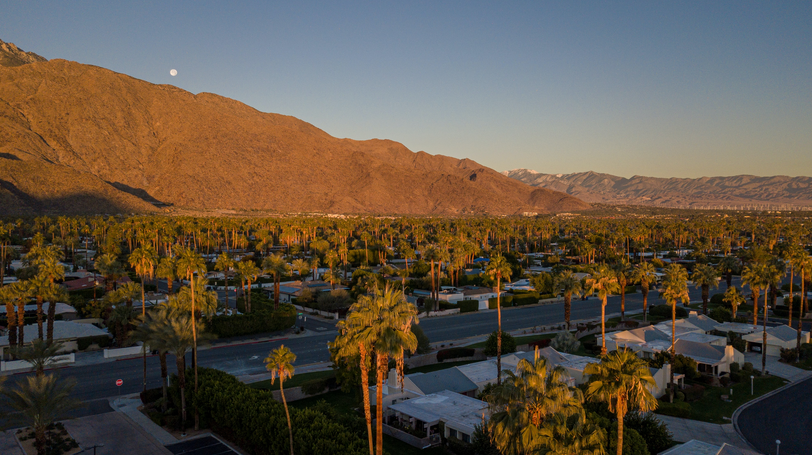
When seeking the perfect place to call home, one crucial factor to consider is the demand of the neighborhood. A high-demand location means many people want to live in that area, which may indicate a thriving community with plenty of amenities and opportunities. What really contributes to the demand of a neighborhood is safety and security. Homebuyers are more likely to invest in an area with low crime rates and well-maintained public spaces such as sidewalks and parks.

Moreover, neighborhoods with active community associations or events foster a sense of belonging among residents. As such, it is always advisable for potential home buyers to research how lively their prospective communities are before making any commitments.

Thriving Areas

areasThese neighborhoods offer a sense of growth and development, making them an attractive place to live. One sign that an area is thriving is the presence of new businesses and restaurants. If you see many newly established shops or dining places in the area, it shows positive economic activity going on.

A thriving community can be identified through various events like festivals and street fairs held regularly around town. Such activities provide opportunities for locals to connect with one another while also showcasing what their city has to offer. Living in a thriving location not only guarantees convenience but also promises growth potential both economically and socially within your community.

Suitable Lot Location

In terms of buying a home, the location of the lot is just as important as the actual property. A suitable lot location can make all the difference in your living experience and even affect your home’s resale value. For some, even the house’s orientation can be a dealbreaker.

Is it facing east or west? This will determine how much sunlight your home will receive throughout the day. If you love natural light, you might want to look for a lot that faces east – this way; you’ll get beautiful morning sunshine. In some cultures, facing a certain direction means prosperity and wealth.

Finding the right location requires careful consideration of various factors that impact personal preferences regarding lifestyle needs and financial goals. With this guide on the telltale signs of the right place to buy a home at hand, prospective homeowners can make better-informed decisions about investing in their dream homes confidently.
Related Post

roof

Comparing Rubber Roofing to Traditional Roofing Materials: What You Need to KnowComparing Rubber Roofing to Traditional Roofing Materials: What You Need to Know

Choosing the suitable roofing material for your home can feel overwhelming with so many options available. While traditional choices like asphalt shingles, metal, and tiles are common, rubber roofing has emerged as a popular alternative with unique advantages. If you’re trying to decide between rubber roofing and more conventional materials, this guide from the best residential roofing company will help you weigh the pros and cons to make an informed decision.

Understanding Rubber Roofing

Rubber roofing, often made from a synthetic material called EPDM (ethylene propylene diene terpolymer), is a durable, flexible, and weather-resistant option. It’s typically available in rolls or sheets, which makes it ideal for flat or low-sloped roofs. Rubber roofing has been used in commercial buildings for years but is becoming increasingly popular in residential settings.

Traditional Roofing Materials

shingles

Let’s briefly touch on some of the traditional roofing materials:

  • Asphalt Shingles: The most common roofing material, asphalt shingles are affordable, easy to install, and come in various colors and styles.
  • Metal Roofing: Known for its longevity and durability, metal roofing is resistant to extreme weather and is often made from aluminum, steel, or copper.
  • Clay or Concrete Tiles: These heavy-duty tiles are incredibly durable and offer a distinct aesthetic, often associated with Mediterranean or Southwestern-style homes.
  • Wood Shingles or Shakes: Made from cedar, redwood, or other types of wood, these shingles offer a natural look but require more maintenance to prevent issues like rot or insect damage.

Durability: How Does Rubber Roofing Compare?

Durability is a key factor when choosing a roofing material. Rubber roofing is highly durable, with a lifespan of 30 to 50 years when properly maintained. It’s resistant to extreme weather conditions, including heavy rain, snow, and UV rays, making it an excellent choice for areas with diverse climates.

In comparison:

  • Asphalt Shingles typically last 15 to 30 years. However, they can be damaged by high winds and may need more frequent repairs.
  • Metal Roofing offers excellent durability and a lifespan of 40 to 70 years. It’s resistant to fire, rot, and insect damage but can be noisy during heavy rain or hailstorms.
  • Clay or Concrete Tiles are highly durable and have a lifespan of 50 to 100 years. However, they are heavy and may require additional structural support.
  • Wood Shingles or Shakes: Generally last 20 to 40 years but require regular maintenance to protect against moisture and pests.

durable

Cost Considerations

Cost is another critical aspect to consider. Rubber roofing is generally more expensive than asphalt shingles but less costly than metal or tile roofing. The initial investment may be higher, but the long-term savings from reduced maintenance and repairs can make rubber roofing a cost-effective option.

Here’s a general comparison:

  • Asphalt Shingles: $3.50 to $5.50 per square foot installed.
  • Rubber Roofing: $6.00 to $10.00 per square foot installed.
  • Metal Roofing: $7.00 to $12.00 per square foot installed.
  • Clay or Concrete Tiles: $10.00 to $20.00 per square foot installed.
  • Wood Shingles or Shakes: $6.50 to $11.00 per square foot installed.

Environmental Impact

For those concerned about sustainability, rubber roofing stands out as an eco-friendly choice. Most rubber roofing is made from recycled materials. At the end of its lifespan, it can be recycled again. It also offers excellent insulation properties, which can help reduce energy consumption in your home.

In comparison:

  • Asphalt Shingles: Not exceptionally eco-friendly. They’re petroleum-based and difficult to recycle, contributing to landfill waste.
  • Metal Roofing: Highly recyclable and energy-efficient, making it a good option for eco-conscious homeowners.
  • Clay or Concrete Tiles: Made from natural materials and can be recycled, their production process is energy-intensive.
  • Wood Shingles or Shakes: These are renewable resources, but the treatment process to make them weather-resistant can involve chemicals.

Choosing the right roofing material depends on your specific needs, budget, and aesthetic preferences. Rubber roofing offers excellent durability, energy efficiency, and environmental benefits, making it a strong contender for many homeowners. However, traditional materials like asphalt shingles, metal, and clay tiles have unique advantages.

Home
Cute Cat

Reasons Why You Need to Own Cat at HomeReasons Why You Need to Own Cat at Home

Although owning a pet carries responsibilities and can present particular challenges (e.g., expensive vet bills), there are also many advantages to having a hairy cat lover. ThisĀ  lists the main benefits of getting a cat, including companionship, entertainment, cat beauty, genuine grooming, and insect control.

Benefits of Having Cats

Comfy

Cats are usually very affectionate and caring. There is nothing easier than coming home after a hard day at work and finding a furry friend waiting to keep an eye on you. They rub themselves on you, purr when you pet them, they often want to go out with you, and some even curl up in your lap. Alternatively, you can spend some time watching them hunt, play games, make lists, or make a series of different jokes. They are eccentric, funny, and charming. Compared to many unique pets, cats are very easy to care for. They are independent animals that are very happy to exist without human care for long periods.

It may be necessary to provide them with basic care such as change of disorder, feeding and flea care, and occasional visits to the vet, but they usually do not expect much attention. Do not require much space, unlike a huge dog or certain other pets, cats can be happy to live in a more modest apartment or house. This can be a great advantage if you love a pet as a companion and want to live in a big city where rents and house prices are quite high. Apartment cats are usually quite comfortable in their living room and wallow in them.

Facts About Cat

Kittens

It is not necessary to export them. Training a puppy can seem like a lot of fun, but it can also become a routine job. This is extremely precise if done in bad weather conditions or perhaps trying to balance the conflicts between other obligations such as work or perhaps childcare. If it is an outside cat, you may need to let it out from time to time, but this is usually less tiring than walking the dog. Kittens are cute, it is incredibly fun to watch them explore their land, and their playfulness is simply adorable. They won’t stay like kittens forever, but it’s nice while it lasts, so enjoy every second!

Pest control, last but not least, cats can prevent rats and mice from building their home or neighborhood. They are certainly the most common pets in the United States, exceeding the number of dogs by 88-74 million. Some cats are popularly known as clowns. They spend about 70 percent of their lives. The male cats are called Tom. Cats are called Queens or Molly. Domestic cats have existed since 3,600 BC. Someone who likes cats is called ailurophile. Elderly cats meow to talk to people, not cats. They meow in a human child’s playground to attract attention when they are hungry or want something. They can hear higher noise levels than individuals. This allows them to locate rodents and other microorganisms when they hunt.

Home
storage

Top Problems With Storage UnitsTop Problems With Storage Units

If you’re considering renting a storage unit, it’s important to know the top problems with storage units. Many people don’t think about the potential issues until they’re already dealing with them; by then, it can be too late. When to get a storage unit? When you’re running out of space or need to declutter your home, it might be time to get a storage unit. This blog post will discuss some of the most common problems people experience with storage units. We’ll also provide tips on how to avoid these problems altogether.

Humidity/Water Damage

unitOne of the most common problems people experience with storage units is humidity or water damage. This can happen for several reasons, such as if the unit is not properly sealed or if there is a leak in the unit. If you live in an area with high humidity, it’s important to take extra precautions to prevent this from happening. You can do this by using a dehumidifier in your unit or by keeping your belongings in airtight containers. If you do experience water damage, it’s important to act quickly. The longer you wait, the more damage will be done.

Lack of Access to Stored Materials

One of the top problems with storage units is that you may not have easy access to stored materials when you need them. For example, if you’re storing seasonal items, you may only be able to get to them a few times a year. And if you’re storing valuable or sentimental items, you may not want to risk taking them out of storage too often. The cost of renting a storage unit can add up over time, and if you’re storing valuable items, you may need to purchase insurance to protect them.

Transporting Stuff to Storage Units

storageOne of the most difficult and time-consuming tasks when it comes to storage units is transporting all of your stuff there in the first place. This can be an overwhelming process if you have many things to store. You may need to rent a truck or trailer and spend hours loading and unloading everything. And if you live in a high-rise apartment or condo, you may have to lug everything down several flights of stairs. Another problem with transporting your stuff to a storage unit is that it can be difficult to know how to pack everything so that it will fit and be well-protected.

You don’t want your belongings to get damaged in transit, so it’s important to take the time to pack everything carefully. Overall, there are a few common problems that people experience with storage units. These include humidity/water damage, lack of access to stored materials, and transporting stuff to the storage unit. However, you can avoid these problems by taking precautions and using the right tips.

Home