interior
Lechatel Bureau Home Key Elements of Interior Design to Keep in Mind When Renovating Your Home

Key Elements of Interior Design to Keep in Mind When Renovating Your Home

interior

When renovating your home, it is a must to keep the critical elements of interior design in mind. You can learn more about interior design elements to change your home at https://eluxemagazine.com. These include things like the color scheme, furniture layout, and lighting. If you neglect these elements, your renovation may not have the desired effect. In this blog post, we will discuss each of these critical elements in detail and provide tips on incorporating them into your renovation project.

Space and Furniture Layout
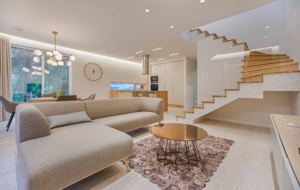
furnitureYou can’t ever achieve a successful home renovation project unless you always keep your home space and furniture layout in mind. It includes both the furniture and how you arrange it. You want to create a design that is both functional and aesthetically pleasing. For example, you do not wish to put your sofa in front of the window where the sun would glare on it all day. Moreover, you want to arrange your furniture to allow for easy traffic flow. You also don’t want your furniture to be too close together as it would make the space feel cramped.

Lighting

Lighting is another crucial element of interior design. It can set the mood for the entire space. You want to make sure that you have a good mix of natural and artificial light. Natural light is always best, but you also don’t want your space to be too dark. If you renovate your home, consider adding more windows or skylights to let in more natural light. You also want to make sure that you have a good mix of task and ambient lighting. Task lighting is necessary for areas like the kitchen where you need more focused light when cooking or doing other tasks. Ambient lighting is more general, and you can achieve it with things like floor lamps and table lamps.

Color Scheme

The color scheme of your home is another essential element to consider when renovating. You want to choose colors that complement each other and make the space feel cohesive. You also want to avoid using too many colors to make the room feel cluttered. A good rule of thumb is to use three colors in your color scheme. You can also use different shades of the same color to add depth and interest to the space.

Line and Pattern

patternsLine and pattern are other essential elements of interior design. The line refers to how it draws your eyes through the space. You can use lines to create a sense of movement in the area. The pattern adds visual interest and can be used to tie different design elements together. When using lines and patterns, you want to make sure that they are in balance. You don’t want one to be too overwhelming or the other to be too subtle.

These are just a few of the critical elements of interior design to keep in mind when renovating your home. If you incorporate these elements into your renovation project, you will be sure to create a functional and stylish space.
Related Post

tube

Where to Get Water for Your Home During a DisasterWhere to Get Water for Your Home During a Disaster

When a disaster hits, it’s crucial to have a plan for getting water. The rule of thumb is to have one gallon of water daily. That means if you have a family of four, you would need at least twelve gallons of water stored up. You can check out houseilove.com for a list of the best home water filters to have. Here are various sources of water that you can use to get through a disaster:

Municipal Water Supply

flowWater from the municipal water supply is water that comes out of your taps at home. If you have a well, this water is not safe to drink during a disaster. Also, your municipality may not pump water into your home if the power is out. In this case, you will need to find another source of water. Municipal water is treated with chlorine, which will kill most bacteria. However, there may be contaminants in the water that chlorine cannot kill during a disaster. It’s important to boil your water for at least one minute to ensure it’s safe to drink.

Natural Water Sources

Natural water sources include rivers, lakes, and streams. This water is not safe to drink without treatment. Bacteria and other contaminants can make you very sick. Boiling your water for at least one minute is the best way to purify it. You can also purify water with iodine tablets or bleach. Be sure to follow the instructions on the package. If you are in a remote area and cannot boil your water, you can purify it with sunlight. Fill a clear bottle with water and place it in direct sunlight for six hours. It will kill most bacteria.

Rainwater

Rainwater is one of the best sources of water during a disaster. It’s vital to collect rainwater before the disaster hits. You can do this by placing barrels or buckets under your gutters. Be sure to clean these containers with bleach before you use them. When it rains, the water will be contaminated with bacteria. Boiling your water for at least one minute is the best way to purify it.

Melting Snow

Snow is another good source of water during a disaster. However, it’s essential to melt the snow before you drink it. It’s because snow can be polluted with bacteria from the air. Boiling your water for at least one minute is the best way to purify it. When melting snow, be sure not to use a metal pot. It will cause the water to taste metallic. Instead, use a glass or ceramic pot. When it comes to getting water during a disaster, it’s important to have a plan. The best way to ensure your family has enough water is to store it before the disaster hits. Be sure to have at least one gallon of water per person each day.

Home
basement

Designing Your Dream Den: Unique Uses for Your Home BasementDesigning Your Dream Den: Unique Uses for Your Home Basement

Are you tired of your basement being nothing more than a dark, dingy storage space? It’s time to unleash its hidden potential and transform it into the ultimate dream den! Whether you’re craving a cozy home theater, an exclusive game room, or even a luxurious spa retreat – this blog post is here to inspire you with unique uses for your home basement. Get ready to discover how this underutilized space can become the envy of all your friends and family.

Artistic Studio Retreat

art

Unleash your creative spirit by transforming your basement into an artistic studio. Whether you’re a painter, sculptor, or craft enthusiast, this space can become your private sanctuary. Ensure ample storage for supplies, consider good ventilation, and customize the layout to accommodate your specific artistic pursuits. Embrace the freedom to get messy and let your creativity flow, knowing that your basement is designed to support and inspire your artistic endeavors.

Home Theater Oasis

One of the most popular and indulgent uses for a basement is transforming it into a home theater. With advancements in audiovisual technology, creating a cinematic escape in the comfort of your home is more achievable than ever.

Invest in quality sound systems, a large screen, and plush, comfortable seating to craft a movie-watching haven. Consider soundproofing the space to minimize disruptions and immerse yourself in a true theater experience without leaving your home.

Versatile Home Office or Study

In an era where remote work and learning are becoming increasingly prevalent, dedicating your basement to a home office or study is a strategic and practical move. Utilize the space efficiently by incorporating built-in desks, ample storage, and ergonomic furniture.

Natural light may be limited in basements, so invest in proper lighting solutions from bau-welt.de/hausbau/architektur/doppelhaus-und-zweifamilienhaus/doppelhaus/buedenbender-doppelhaus.html#c55809. This often includes adding mirrors strategically to create an illusion of spaciousness. This dedicated workspace provides a quiet and focused environment, enhancing productivity and concentration.

Gym and Wellness Sanctuary

gym

Elevate your fitness routine by converting your basement into a home gym and wellness retreat. Install rubber flooring, mirrors, and proper lighting to create an energizing workout space. Consider incorporating a small spa area with a sauna or steam room for post-workout relaxation. This transformation not only promotes a healthy lifestyle but also eliminates the need for expensive gym memberships, offering convenience and privacy.

Playful Kids’ Paradise

Transform your basement into a vibrant and imaginative play area for your children. Designate sections for different activities, such as a play kitchen, arts and crafts corner, or even a mini-theater stage. Ensure the space is child-friendly with appropriate safety measures and soft flooring. This dedicated play area not only provides entertainment for your little ones but also keeps their toys and activities contained in a designated space, minimizing clutter in the main living areas.

Wine Cellar and Tasting Room

cellar

For wine enthusiasts, a basement can be transformed into a sophisticated wine cellar and tasting room. Install climate control systems to ensure the ideal conditions for wine storage. Design custom racks to display your collection and create a tasting area with a bar and comfortable seating. This elegant and functional space is perfect for entertaining guests or simply enjoying a quiet evening with your favorite vintages.

In conclusion, your home’s basement holds immense potential waiting to be unearthed. By creatively repurposing this space, you not only add functionality to your home but also enhance its overall value. Whether you opt for a cinematic escape, a productive home office, an artistic retreat, a wellness sanctuary, a wine lover’s haven, or a kids’ paradise, your basement can evolve into a dynamic and purposeful extension of your living space. Embrace the possibilities that lie beneath and transform your basement into a hidden gem that elevates your home and lifestyle.

Home
money and time

Costs to Think About Before Buying a Multi-Family InvestmentCosts to Think About Before Buying a Multi-Family Investment

When buying a condominium within a real estate investment, the closing costs can amount to a huge amount. Therefore, they must be calculated carefully, as the investor must assess whether he has sufficient funds for his deposit and closing prices before closing the deal. It is also important to estimate how much money should be set aside for the final prices before closing the deal. One of the bank’s requirements when approving the financing is to ensure that the buyer has sufficient funds for his deposit and closing costs together. Here are multifamily investing tips.

Valuation Fee

dollars

This condition helps the lender estimate the property’s market value to determine the LTV (loan-to-value). The LTV is 80%, and if the cost is $500,000, the bank is willing to provide a loan of $500,000. In the case of mortgages, this possibility can be waived at the bank’s discretion, even if the charges are mandatory for mortgages. In addition to these buildings, the remuneration also depends on the extent of other factors. The rate of valuation is directly related to the building’s size: the larger the building, the more complex it is after appraisal.

Environmental Fee

Technical assessment of this house and its uses or surrounding conditions to ensure that the home and surroundings are not contaminated by previous use of oil, chemical tanks, and other hazards. This fee is more related to mortgages than any other mortgage.

Inspection Fee

The inspection fee consists of a thorough inspection of each property unit to ensure no structural problems with any of these components and the surrounding construction. Since it can cost a lot for him to solve any issues, the inspection should be carried out by a specialist. If the land was purchased in Toronto, land transfer tax should include Toronto LTT and Ontario LTT.

Legal Fees, Security Searches, and Payments

calculator

A lawyer must legally verify every move. A lawyer is responsible for conducting investigations such as name research, preparing the mortgage, and completing the deed’s transfer. If the act is not accessible, it can be replaced by name insurance. The mortgage insurance premium and mortgage insurance costs also depend on the period and amount. Registration fees are also charged. The lender’s registration fee depends on.

It is important to look for different professionals before deciding on one. Your concerns when making your choice should include efficiency, reputation, and costs. In summary, the total amount spent on closing fees may start at 2.5% of the purchase price and go back to a higher amount depending on several factors, such as the amount paid into the escrow fund, the state in which you decide to buy your real estate investment, etc.

Home Real Estate